
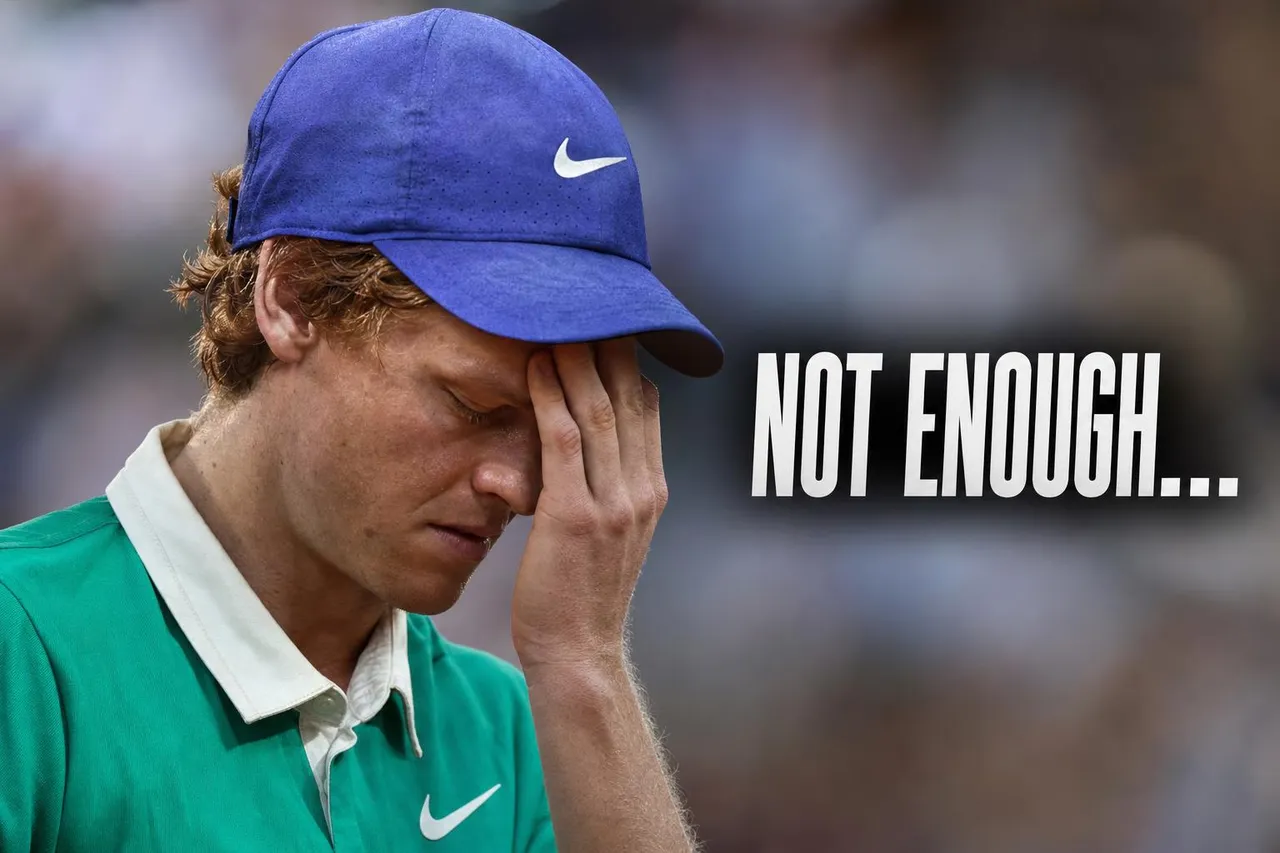
Top Players Push Back On Roland Garros Prize Money As Revenue Gap Widens
 By The Tennis Expert 4 min read
 Top tennis players have made it clear the French Open’s latest prize-money bump does not end the conversation. Jannik Sinner, Aryna Sabalenka, Novak Djokovic, Coco Gauff and others have again pressed Roland Garros for a bigger share of tournament revenue, along with better player welfare and a voice in decision-making.
The dispute is older than a fresh clay season warm-up session, and it is not getting friendlier. Players said they were “deeply disappointed” after organizers announced a 9.5 percent increase in total prize money for 2026, arguing that the headline number masks a shrinking slice of a much larger financial pie.
What The Players Are Objecting To
The core complaint is simple enough, even if the economics require a calculator and a strong coffee. Players say the tournament’s revenue is rising faster than prize money, which means their share of the value they help create is going down, not up.
Roland Garros said the total purse will reach 61.7 million euros, about $72.1 million, up 5.3 million euros from last year. Players counter that revenues hit 395 million euros in 2025, then are expected to climb above 400 million euros this year, while the player share still sits below 15 percent.
That figure matters because the players are asking for something closer to 22 percent, which they say would bring the Slams more in line with the ATP and WTA’s combined 1000-level events. As labor disputes go, this one has the elegant brutality of a baseline rally played in slow motion: the numbers keep coming, and nobody is missing.
The latest statement also said the announcement does nothing to address structural issues players have raised for more than a year. There has been no progress, they say, on welfare funding, pensions, healthcare, maternity benefits or a formal consultation mechanism inside Grand Slam governance.
The Money Is Up, But The Share Is The Fight
French Open organizers pointed to increases for lower rounds and qualifying matches, saying prize-money gains were focused on players who exit early. That is a fair public-relations swing, and also a reminder that tennis has a well-drilled talent pyramid, even if the base keeps asking whether the roof can share a little more sunlight.
The players’ group says the first three rounds of the main draw are getting around an 11 percent increase, while the singles champions’ rise is closer to 9.8 percent. In other words, the system is helping more players, just not enough to satisfy the stars who drive the majors’ global appeal.
It is also worth remembering that this argument is not limited to Paris. The same group of top names has been pressing all four Grand Slams for a larger percentage of revenue and stronger representation, with the issue simmering through the Australian Open and into the clay season.
Ben Shelton, one of the more outspoken voices in the wider discussion, recently said players are “at the bottom” when prize money as a percentage of revenue is compared with other sports. That is not the kind of ranking any tour wants to advertise, especially when the courts are already talking enough.
What Happens Next
Roland Garros begins May 24 in western Paris, and the tournament has yet to respond publicly to the latest player statement. The French Tennis Federation says it remains open to dialogue and insists the latest increases reflect a long-term commitment to player compensation.
The FFT also says all revenue is reinvested into the tournament, French tennis development and broader global projects, including grassroots, women’s, inclusive and wheelchair tennis. It adds that it has invested more than 400 million euros in Roland-Garros infrastructure to improve player conditions and on-site services.
That may be true, and it may even be persuasive to some. But the players are not arguing about stadium plumbing or the quality of the espresso lounge. They are asking whether the sport’s biggest events, which profit from their labor and star power, are sharing enough of the wealth.
The larger tension here is governance, not just prize money. Players want a formal seat at the table, and Grand Slam organizers continue to look like hosts who have set the dining room beautifully but forgotten to add an extra chair.
The announcement does nothing to address the structural issues that players have consistently and reasonably raised over the past year
There has been no engagement on player welfare and no progress towards establishing a formal mechanism for player consultation within Grand Slam decision making.
For now, the message from the game’s top names is consistent. They want more money, yes, but they also want more say, better support and a system that looks a little less like an old club defending the punch bowl. If nothing changes, this dispute should keep rolling all the way through Paris, and probably beyond.
Related Articles
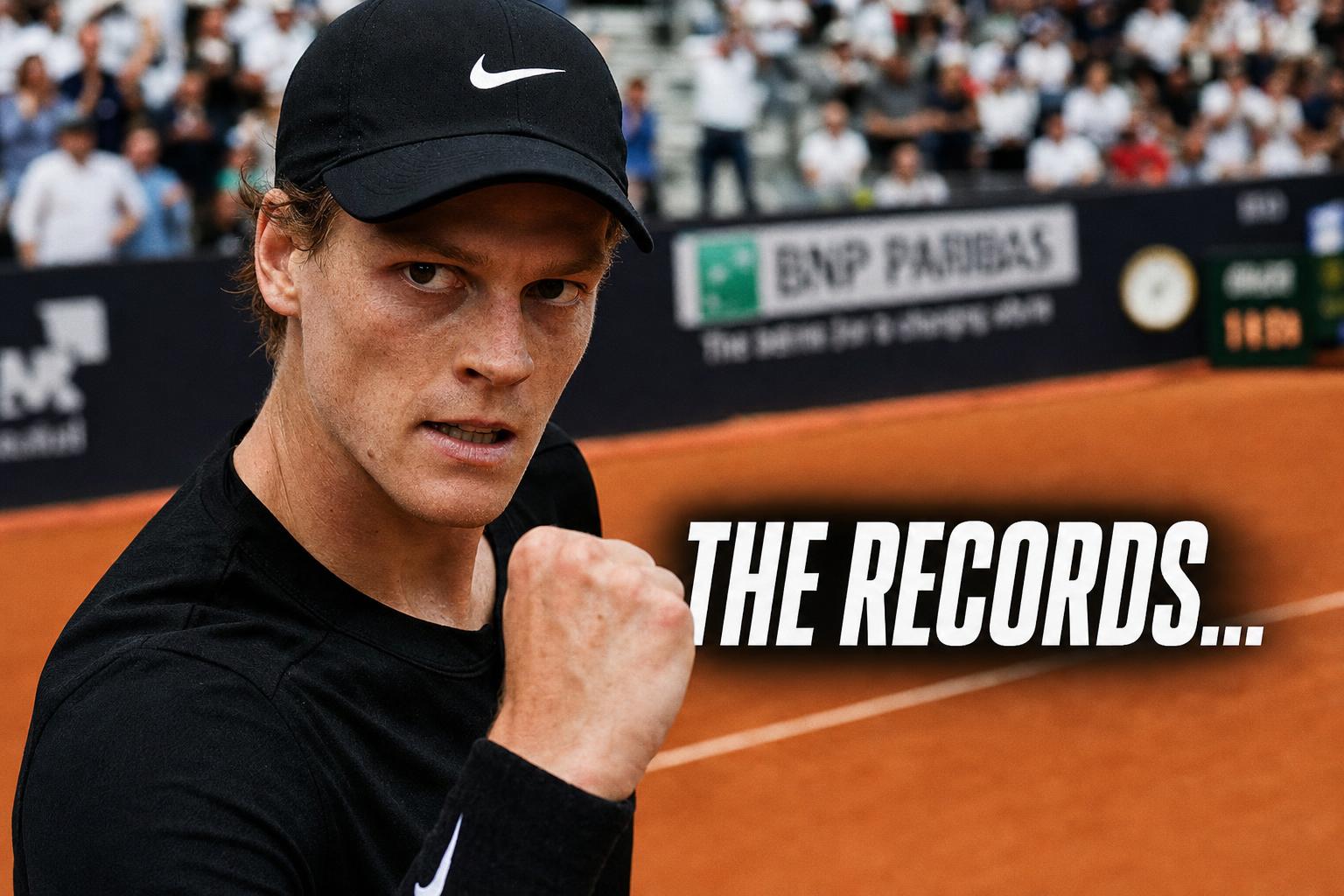
Sinner’s Rome Surge Puts Nadal And Djokovic Records In His Crosshairs
Jannik Sinner keeps rolling at the Italian Open, reaching the Rome semifinals while chasing Nadal- and Djokovic-linked milestones that now look uncomfortably realistic.
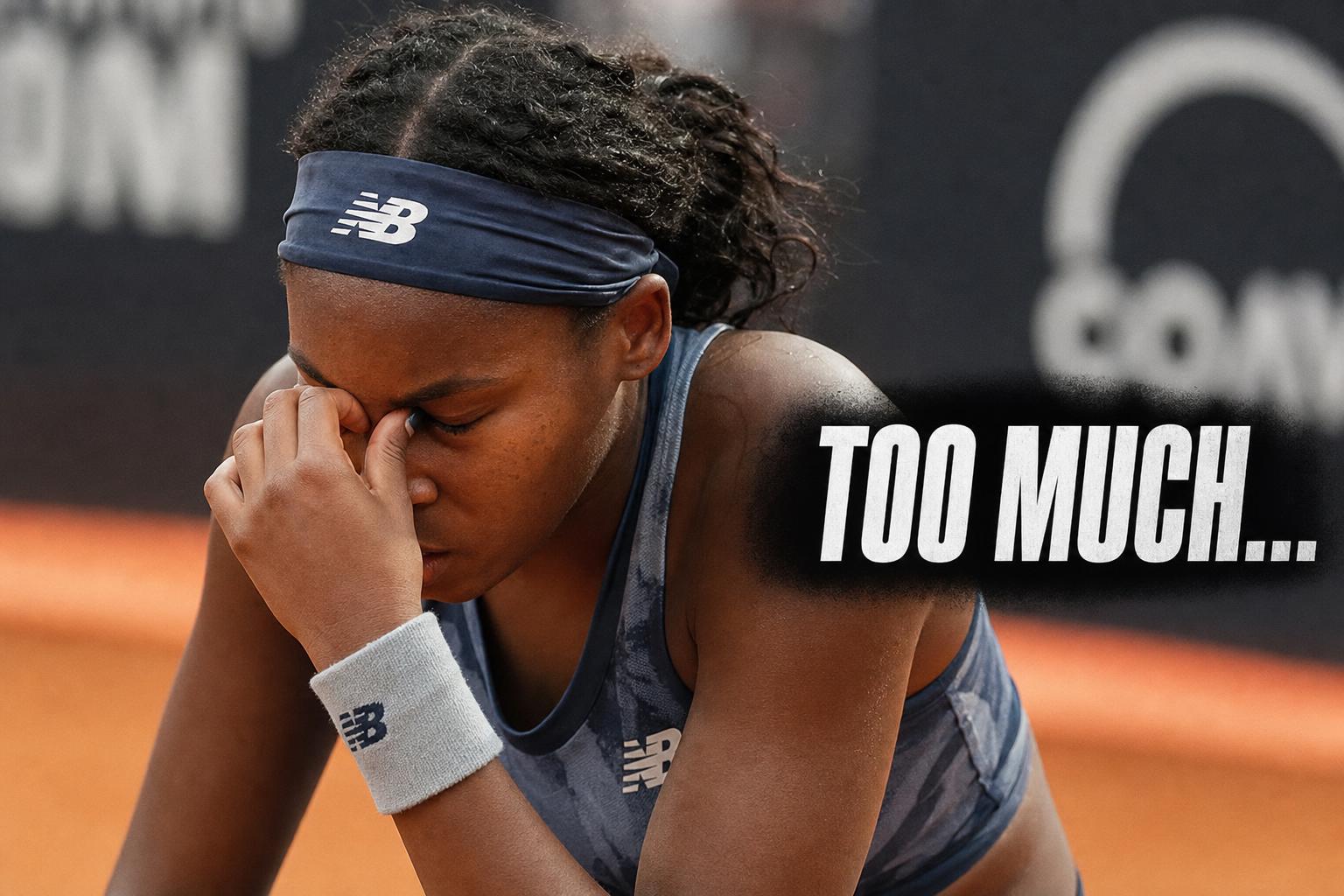
Gauff Survives Rome Scare Again, and Her Nerves Are Still Working Overtime
Coco Gauff battled past Mirra Andreeva in another tense Rome thriller, then admitted the heavy balls and short length were making life miserable on clay.
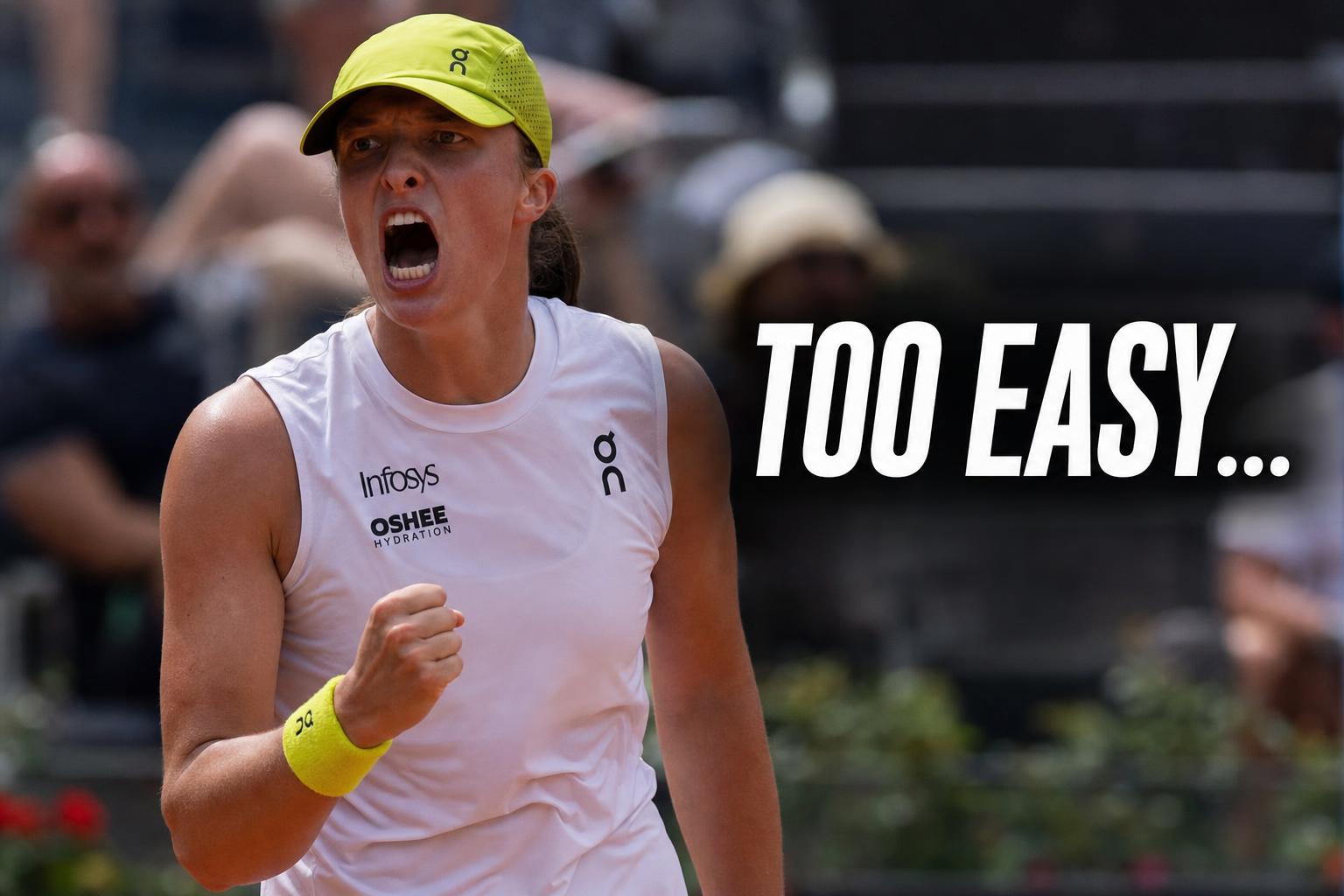
Swiatek Powers Past Pegula In Rome To Hit First Semifinal Of 2026
Iga Swiatek looked sharp in Rome, crushing Jessica Pegula 6-1, 6-2 to reach her first semifinal of the 2026 season and send a Roland Garros reminder.