

Mouratoglou vs. Petchey: Is Tennis Losing Its Next Generation?
 By The Tennis Expert 3 min read
 Patrick Mouratoglou sparked headlines by saying tennis could become irrelevant in 30 to 40 years if it does not connect with younger fans, and the sport suddenly has another existential think piece to chew on.
The French coach argues the format, consumption habits, and marketing have not kept pace with younger audiences, so he launched UTS as an experiment in making tennis faster and more digestible for people raised on bite sized sports content.
Young people don’t watch tennis, all the studies have shown that. It’s essential to get them involved in the sport if we want tennis to still be as popular in 30 or 40 years.
Not everyone agrees with the doom and gloom diagnosis; former Andy Murray coach Mark Petchey fired back on X by pointing to packed venues and rising viewing numbers, saying the narrative of decline is, at best, premature.
Record crowds [and] record viewing figures for The Tennis Channel last month. [I’ve] never seen so many twenty somethings in the stands and grounds at Indian Wells.
The reports of tennis death are greatly exaggerated. Facts are stubborn things,
Petchey’s point is simple and stubborn; you can find younger fans in stadiums and online numbers that do not match a story of terminal decline, and he implies the sport is healthier than Mouratoglou’s phrasing suggests.
UTS is central to Mouratoglou’s strategy, not a publicity stunt, and it has already shown it can draw crowds; the Nîmes event reportedly brought 13,000 people to Les Arènes, a figure that is hard to wave away.
I’d been thinking about it for a while. I really wanted to reach a new, younger fanbase for tennis, in addition to the existing one.
UTS’s rule tweaks are deliberate; four quarters, an eight minute cap on quarters, and scoring designed for highlightable moments aim to match attention spans shaped by streaming and social platforms.
Tennis is a relic of the past. It was created before 1900, and the format has remained virtually unchanged since, if at all.
Mouratoglou also warned that players and younger viewers increasingly prefer highlights to full matches, a behavioral shift that could erode long form consumption if organizers fail to innovate around presentation and pacing.
Petchey’s answer is not a refusal to adapt, it is a reminder that tennis still sells. His anecdotal evidence from Indian Wells and recent broadcast numbers suggest there is appetite among younger fans when the product is presented well.
So who is right, and does tennis need to choose sides? The answer is both, and neither. Traditional events and reform experiments can coexist if governing bodies, broadcasters, and promoters stop treating innovation like a contagious disease.
Practical moves are obvious; better digital packaging for highlights, shorter show formats around elite matches, and targeted youth outreach do not require rewriting the sport, they require modern marketing and scheduling discipline.
Both voices matter. Mouratoglou pushes the sport to keep asking hard questions, UTS gives a platform to test answers, and Petchey reminds everyone that the game is still finding fans in the stands.
My Tennis Expert believes the healthiest path is pluralism: keep Grand Slams intact, let ATP and WTA evolve presentation, and treat formats like UTS as laboratories, not enemies. That way the sport stays relevant and still delivers the drama purists love.
In short, tennis is not fixed forever. It has survived rackets made of wood, serve and volley eras, and social media. The next few decades will be about experimenting without burning the house down, and we will keep watching, highlights included.
Related Articles
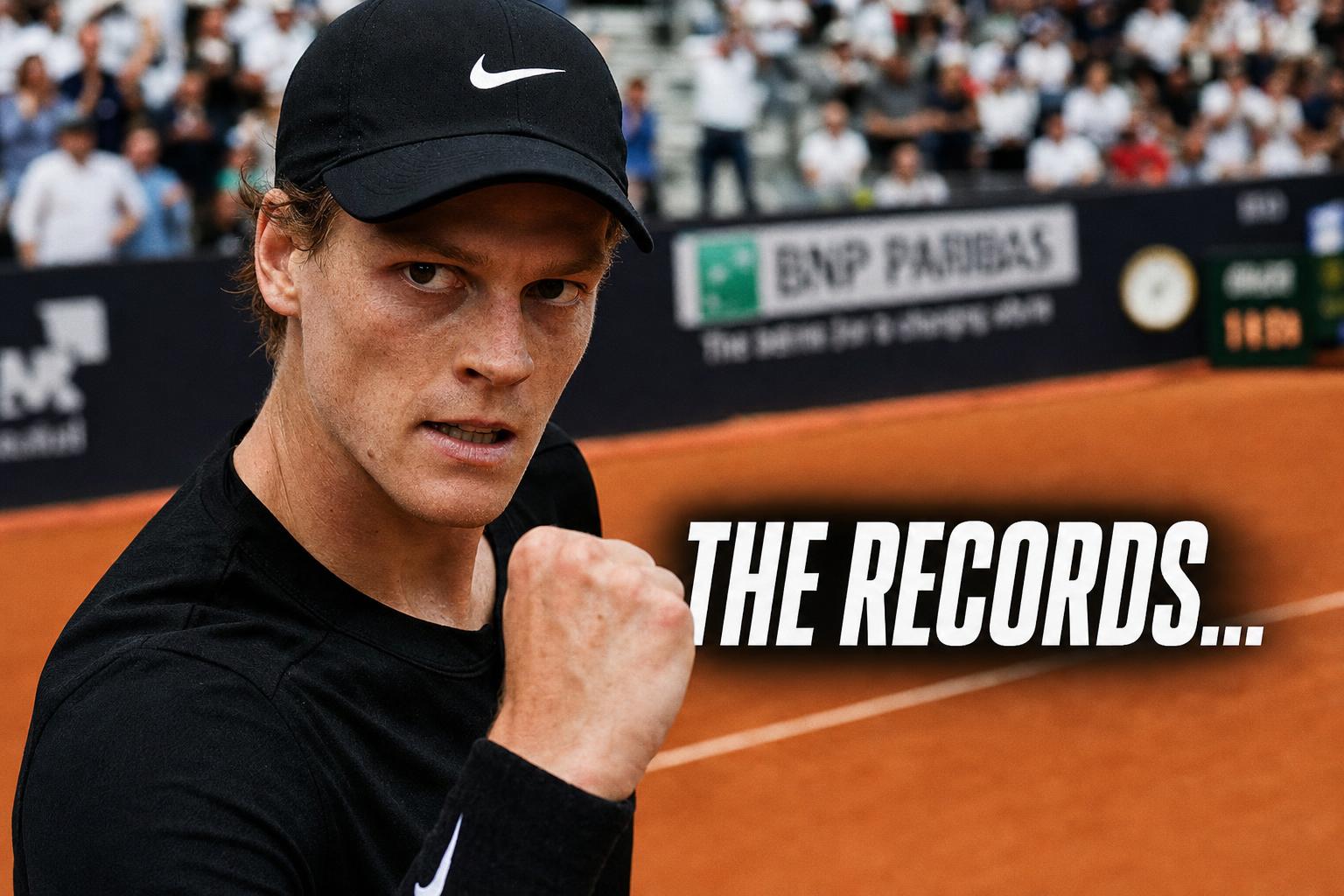
Sinner’s Rome Surge Puts Nadal And Djokovic Records In His Crosshairs
Jannik Sinner keeps rolling at the Italian Open, reaching the Rome semifinals while chasing Nadal- and Djokovic-linked milestones that now look uncomfortably realistic.
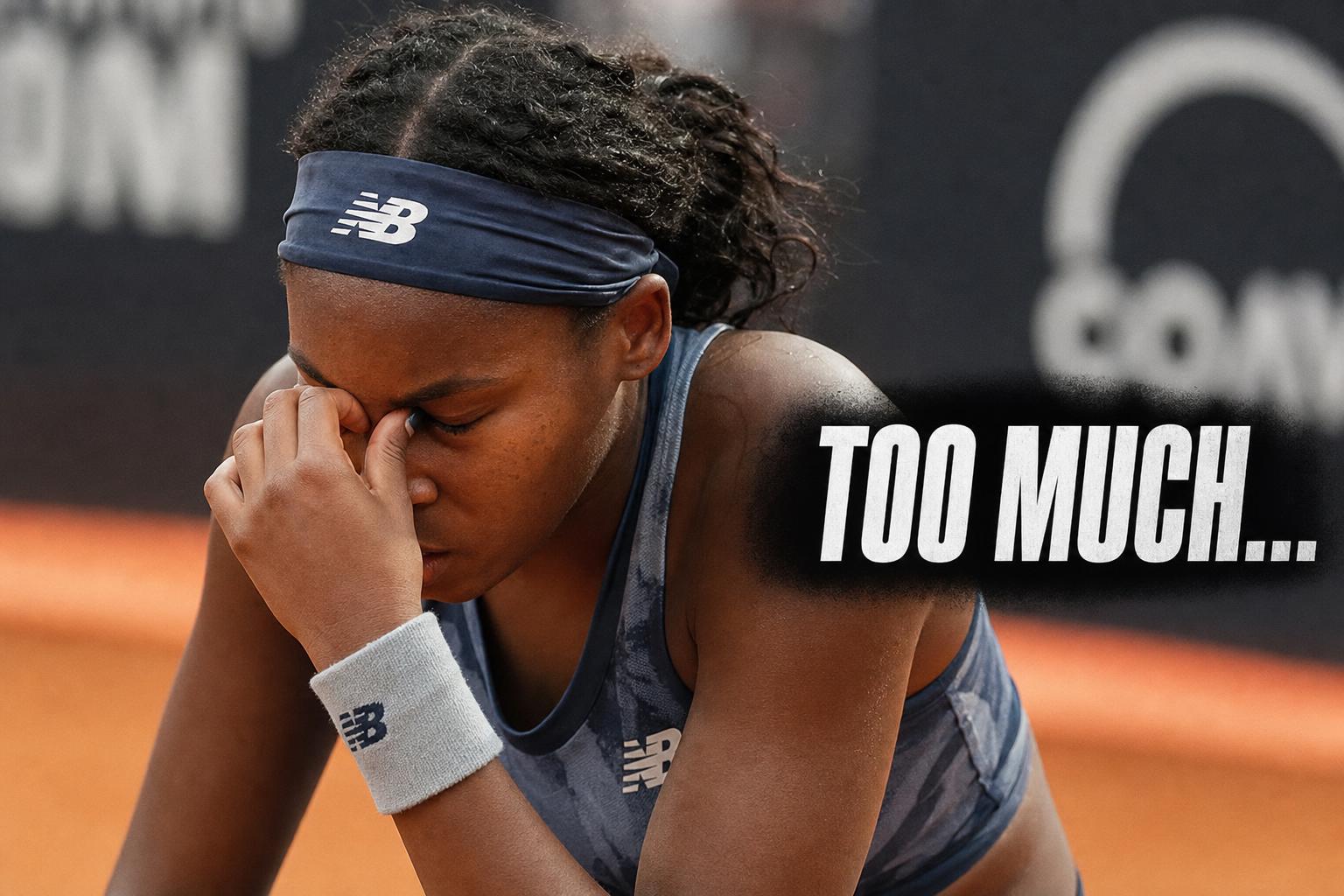
Gauff Survives Rome Scare Again, and Her Nerves Are Still Working Overtime
Coco Gauff battled past Mirra Andreeva in another tense Rome thriller, then admitted the heavy balls and short length were making life miserable on clay.
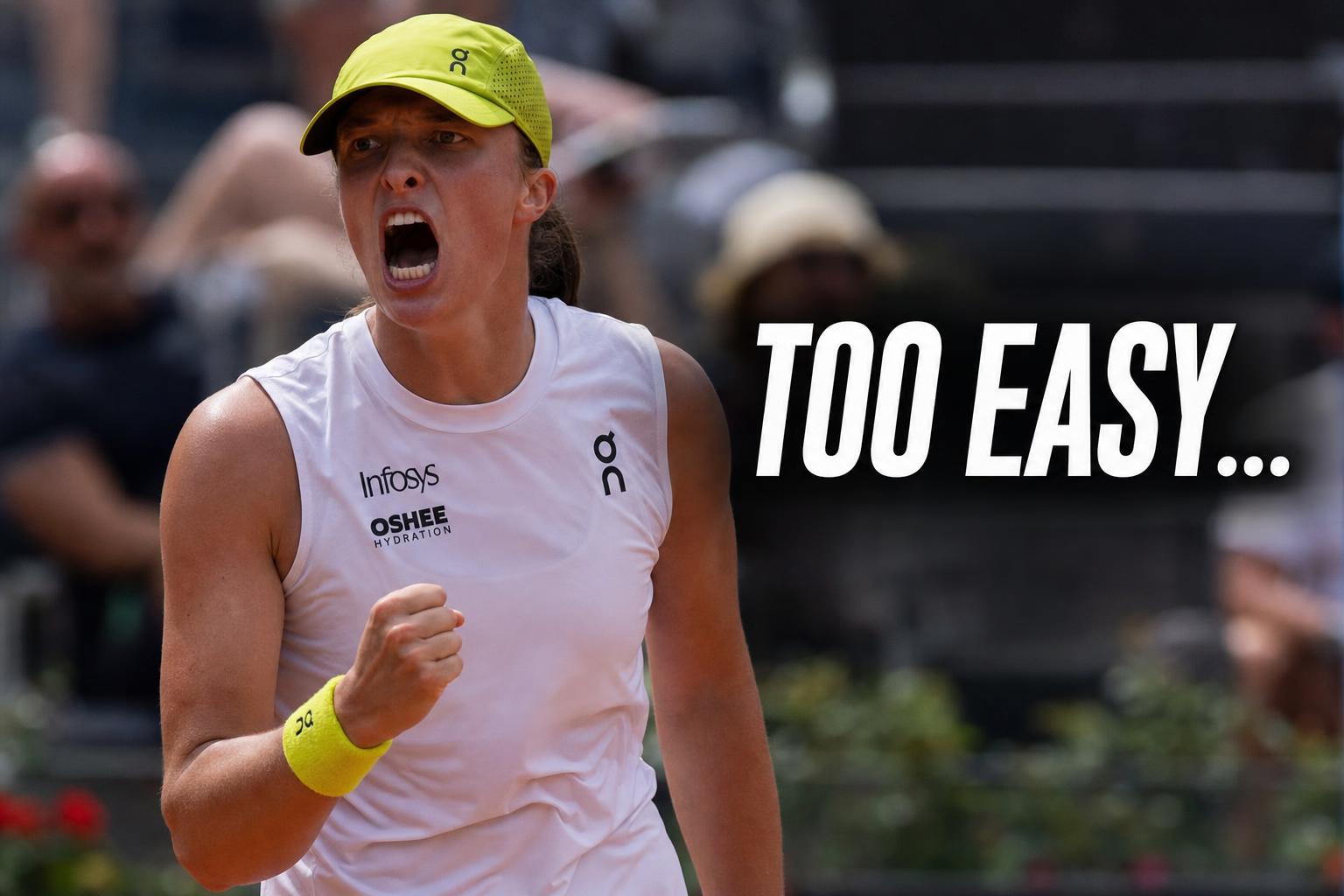
Swiatek Powers Past Pegula In Rome To Hit First Semifinal Of 2026
Iga Swiatek looked sharp in Rome, crushing Jessica Pegula 6-1, 6-2 to reach her first semifinal of the 2026 season and send a Roland Garros reminder.