
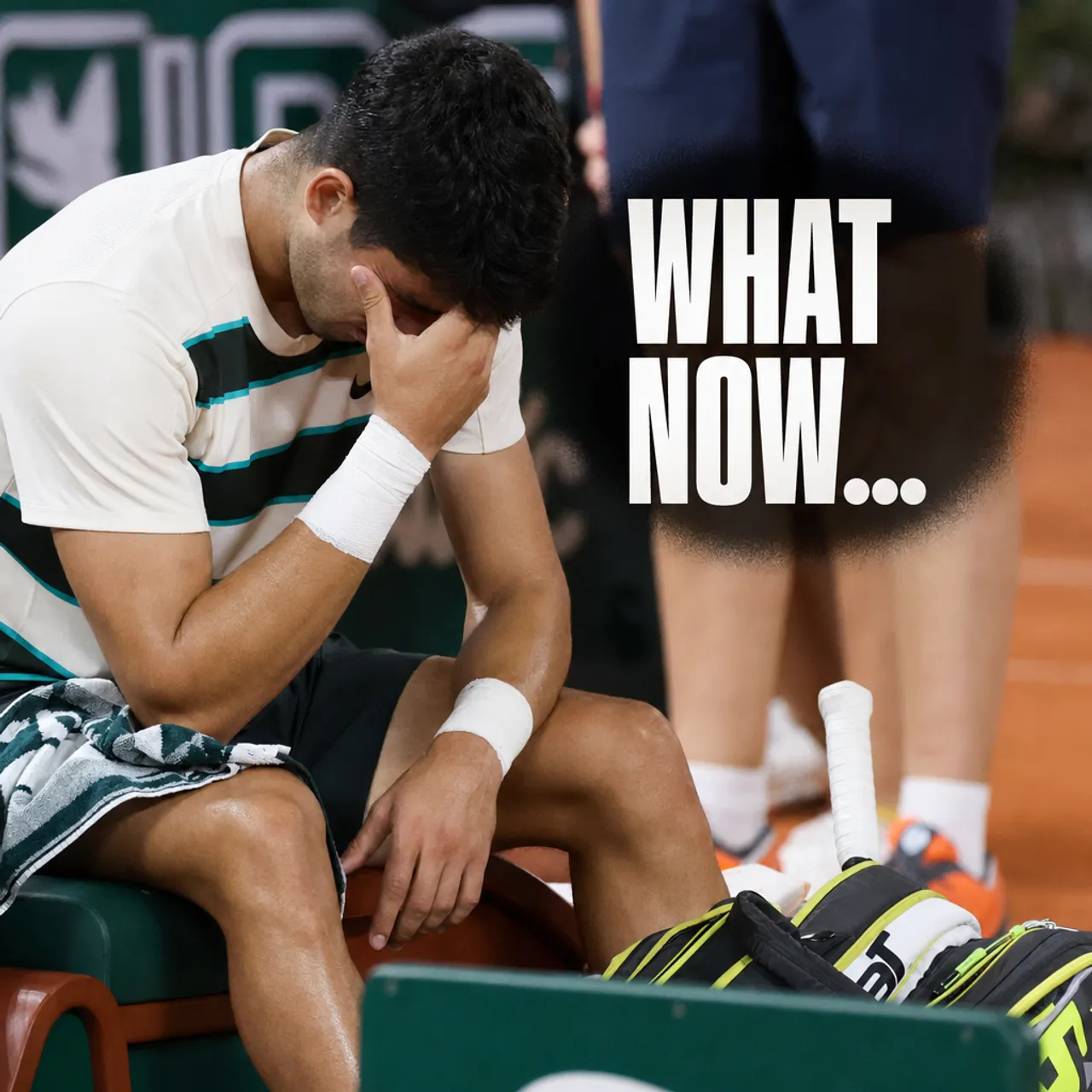
Carlos Alcaraz’s French Open Injury Leaves Roland Garros Facing a Strange New Reality
 By The Tennis Expert 4 min read
 Roland Garros just lost its biggest jolt of electricity. Carlos Alcaraz, the defending champion and the sport’s preferred chaos merchant, will miss this year’s French Open with a wrist injury, and Paris suddenly feels a little less likely to shake on cue.
A Champion Missing From Center Court
Alcaraz’s absence is more than a scheduling note. He is the defending champion, the reigning crowd-stirrer, and the player whose shotmaking can turn a routine rally into a small civic event. Without him, the tournament loses not just a favorite, but its most reliable source of theater.
That matters because Alcaraz has become central to the way men’s tennis sells itself now, for better or worse. He and Jannik Sinner have split the recent spotlight so thoroughly that the rest of the field has often seemed like it is waiting politely near the curtain.
The Spaniard’s latest setback is his first missed Grand Slam since the 2023 Australian Open. For a 22-year-old who has already climbed tennis’s highest mountain range, that is an impressive attendance record, even if the wrist has now written a very unwelcome note.
Sinner did not hide how much he feels the loss. He called Alcaraz’s absence “painful and very sad,†and added, “Tennis needs Carlos. Tennis is a much better sport when he’s around.†That is about as close as the top of the men’s game gets to a group hug.
Tennis needs Carlos
Tennis is a much better sport when he’s around.
Why This Feels Bigger Than One Injury
The French Open has survived absences before. It has survived retirements, revolutions, and more clay-court drama than a bouffant in a rainstorm. Still, Alcaraz’s injury lands at a moment when men’s tennis has leaned heavily on him and Sinner to provide the edge, the intensity, and the occasional five-set heart attack.
Their rivalry has already produced one of the great Roland Garros finals, followed by rematches at Wimbledon, the US Open, and the ATP Finals. The pattern has been simple enough for even the calendar to understand: when they meet, the sport ignites; when they do not, the rest of the draw has to do the emotional heavy lifting.
That is not entirely fair to the field, of course. There have been signs of life from Arthur Fils, Jakub Mensik, Ben Shelton, Flavio Cobolli, and Jiri Lehecka, plus a welcome Daniil Medvedev resurgence. But to borrow the bluntest possible scout report, nobody has yet offered convincing proof they can consistently crash the Sinner-Alcaraz monopoly.
The absence also exposes a broader issue. For all the elegance of the top men, tennis still asks a difficult question, which is whether a third contender can truly force his way into the title conversation at majors. At the moment, the answer is still more shrug than breakthrough.
Djokovic, Opportunity, and A Very Different Draw
If there is a player most likely to feel the room change, it is Novak Djokovic. He turns 39 before his latest bid for a 25th Grand Slam title, and for two years he has often needed to beat Alcaraz, Sinner, or both just to earn a proper shot at another trophy.
That is no small ask, especially when the legs are no longer quite the same age as the résumé. Djokovic’s run to the Australian Open semifinals, where he beat Sinner, showed he can still summon greatness when required, but the path was then still blocked by Alcaraz in the final.
Without the Spaniard in Paris, Djokovic may finally have the kind of opening he has been waiting for. It does not guarantee anything, but it does remove the brightest obstacle from a draw that now looks more navigable, if not exactly inviting.
Federer and Djokovic both framed the Alcaraz-Sinner rivalry as essential to the sport’s health, and that remains true. Their matches have been the rare meetings that make people stop scrolling, stop snacking, and stop pretending they were just checking the score for a second.
Federer also sounded the warning that hangs over all of this like a damp clay-court towel, hoping the pair stay injury-free. That is the obvious wish, though tennis, being tennis, tends to file it under “nice sentiment, poor execution.â€
For now, Alcaraz’s decision looks sensible. Wrist injuries are not the sort you hustle through and admire later over a highlight reel. As Sinner noted, coming back too early can turn a problem into a bigger problem, which is a polite way of saying athletes are frequently tempted to make things worse in the name of bravery.
Roland Garros will still produce champions, rallies, and probably at least one five-kilo bag of existential dread for the runners-up. But without Alcaraz, the tournament loses its loudest heartbeat, and the rest of the men’s field gets an opportunity that feels both overdue and a little suspicious, like the lights came on before the show was ready.
Related Articles
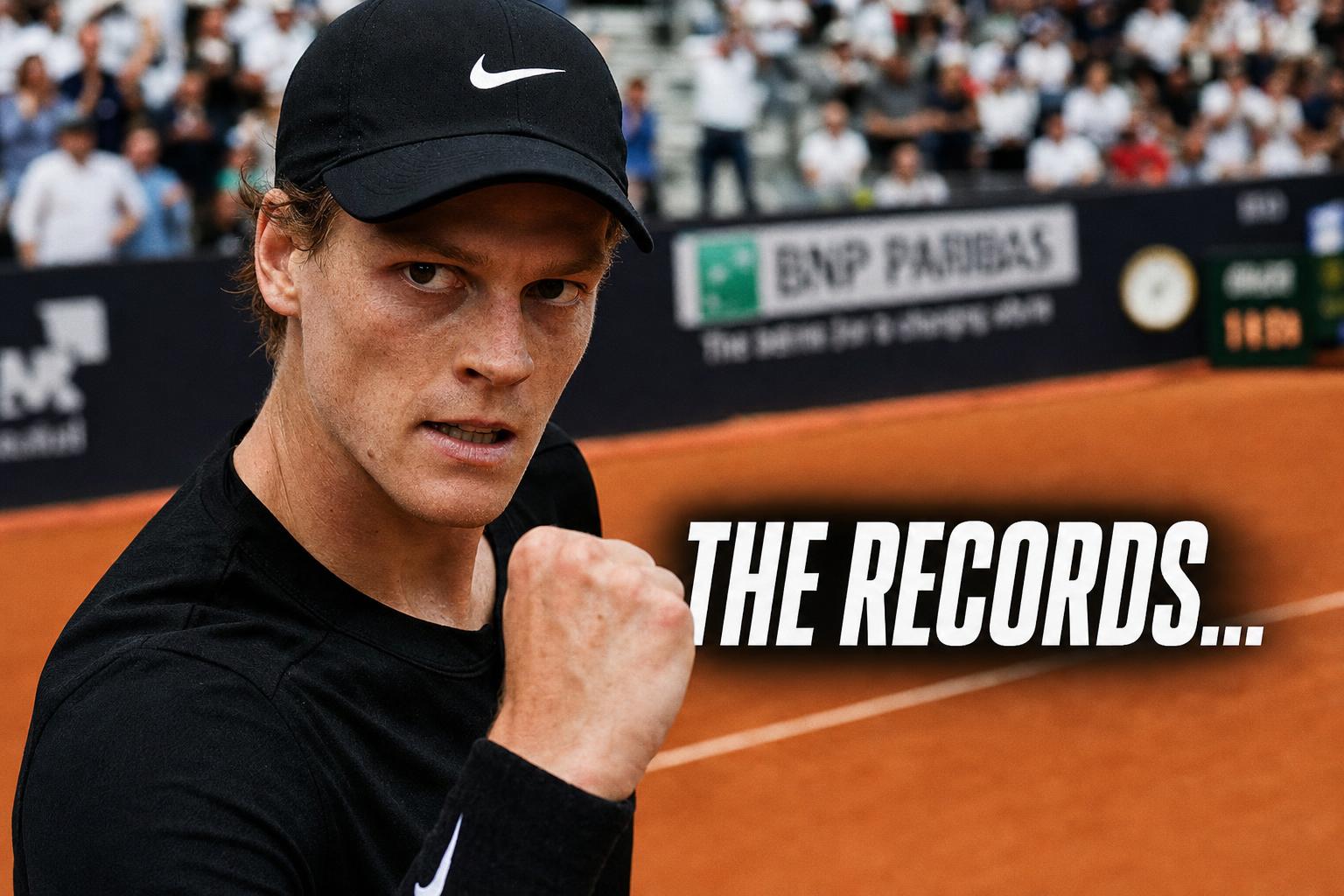
Sinner’s Rome Surge Puts Nadal And Djokovic Records In His Crosshairs
Jannik Sinner keeps rolling at the Italian Open, reaching the Rome semifinals while chasing Nadal- and Djokovic-linked milestones that now look uncomfortably realistic.
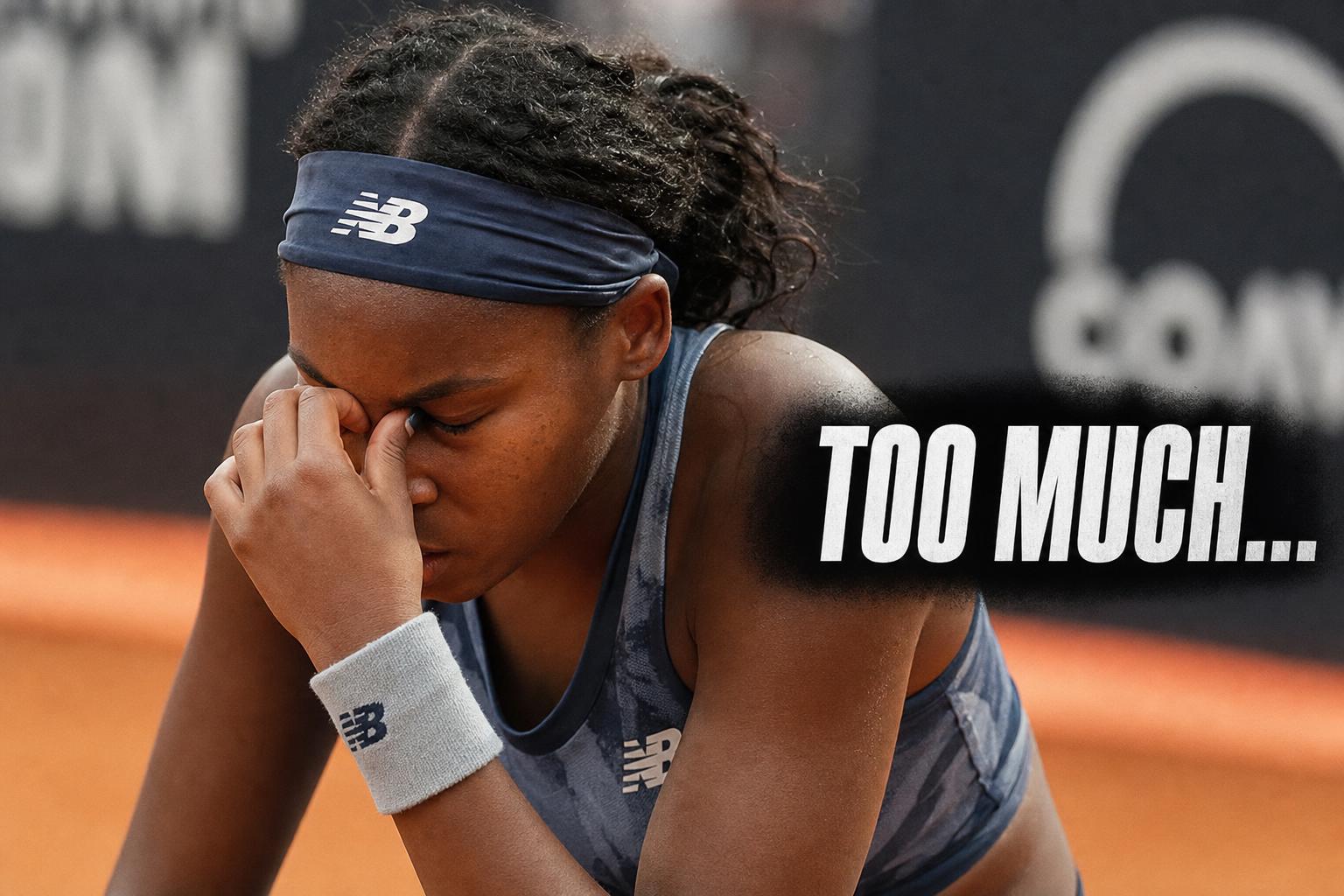
Gauff Survives Rome Scare Again, and Her Nerves Are Still Working Overtime
Coco Gauff battled past Mirra Andreeva in another tense Rome thriller, then admitted the heavy balls and short length were making life miserable on clay.
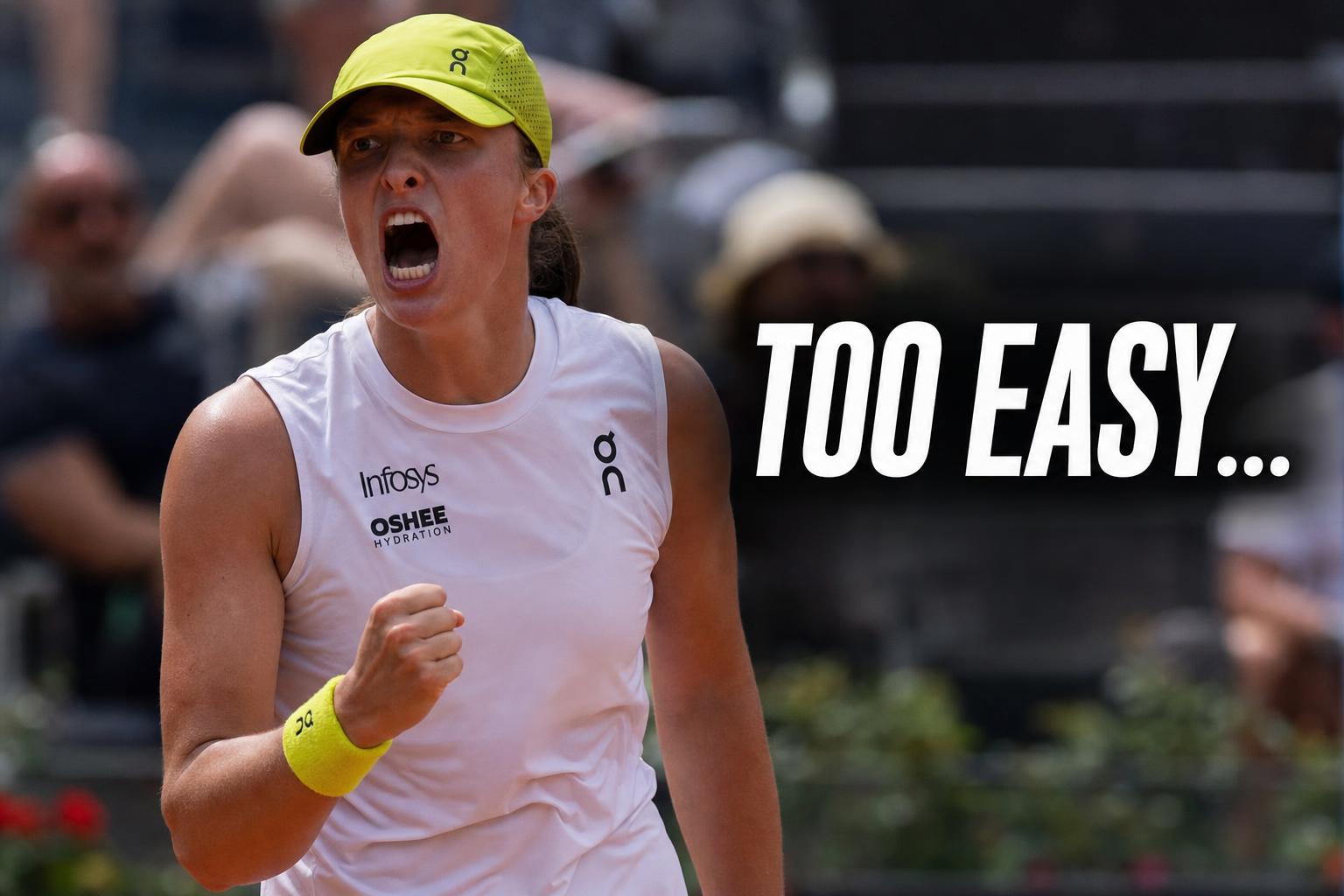
Swiatek Powers Past Pegula In Rome To Hit First Semifinal Of 2026
Iga Swiatek looked sharp in Rome, crushing Jessica Pegula 6-1, 6-2 to reach her first semifinal of the 2026 season and send a Roland Garros reminder.