
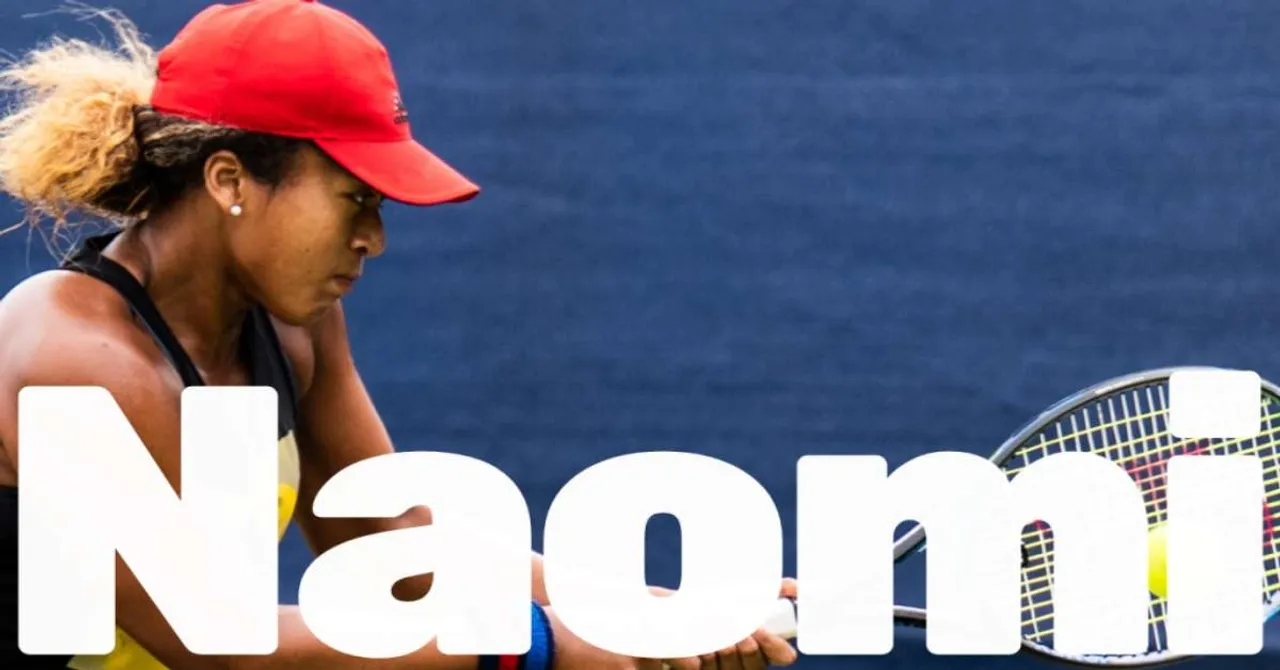
Naomi Osaka: Career, Playing Style, and Legacy
Naomi Osaka is a four-time Grand Slam champion, the first Japanese woman to reach world No. 1, and one of the most influential athletes of her generation. Her explosive power, mental resilience, and willingness to speak openly about the pressures of elite sport have made her a defining figure in modern tennis.
Osaka’s story is unlike any other in the professional tour’s history. Raised in the United States by a Haitian father and Japanese mother, she bypassed the junior circuit entirely, grinding through satellite events before erupting onto the biggest stages in the sport. At her peak, she was virtually unbeatable on hard courts, stringing together back-to-back titles at the US Open and Australian Open.
Naomi Osaka
Early Life and Tennis Origins
Naomi Osaka was born on October 16, 1997, in the city of Osaka, Japan. Her father, Leonard Francois, is from Haiti, while her mother, Tamaki, is Japanese. Though Leonard had never played competitive tennis, he was inspired by how Richard Williams raised Venus and Serena Williams to become champions.
When Naomi was three years old, her family relocated to Elmont, Long Island, in New York. By 2006, the family moved to Florida for better year-round training conditions. Young Naomi trained on public courts in Pembroke Pines during the day and was homeschooled in the evenings.
Over the following years, she trained at several academies, including the ISP Academy with Patrick Tauma, the Harold Solomon Academy, and ProWorld Academy. This unconventional path, without the structured support of a national federation, shaped Osaka’s fierce independence on the court.
Osaka’s father built her game around two weapons: a massive serve and a flat, aggressive forehand. If you’re developing your own game, focus on building one or two reliable weapons rather than trying to do everything. A strong serve and one dominant groundstroke can carry you through most recreational matches.
The Breakthrough: 2018 US Open
Osaka skipped the junior tour entirely and began competing on the professional satellite circuit, much like Venus and Serena before her. She qualified for her first WTA main draw event at Stanford in 2014 and made her Grand Slam debut at the 2016 Australian Open.
Her breakthrough moment arrived at the 2018 Indian Wells, where she won her first WTA title. But the moment that changed everything came in September 2018, when she defeated her childhood hero Serena Williams in straight sets to win the US Open final. At just 20 years old, she became the first Japanese woman to win a Grand Slam singles title.
That match was overshadowed by the controversy between Serena and chair umpire Carlos Ramos. Through it all, Osaka displayed remarkable composure. Her tearful acceptance speech, in which she apologized to the crowd for winning, revealed the deeply empathetic personality that would come to define her public image.
I know that everyone was cheering for her. I'm sorry it had to end like this. I just want to say thank you for watching the match.
Four Grand Slams in Four Appearances
What followed the 2018 US Open was one of the most dominant stretches in recent women’s tennis history. Osaka won four of the next six Grand Slams she entered where she reached at least the fourth round.
- 2018 US Open: Defeated Serena Williams 6-2, 6-4
- 2019 Australian Open: Defeated Petra Kvitova 7-6(2), 5-7, 6-4
- 2020 US Open: Defeated Victoria Azarenka 1-6, 6-3, 6-3 after a first-set collapse
- 2021 Australian Open: Defeated Jennifer Brady 6-4, 6-3
All four titles came on hard courts, where Osaka’s flat ball-striking and powerful serve are most effective. The 2020 US Open final was particularly revealing. After dropping the first set 1-6 to Azarenka, Osaka completely reset mentally and dominated the final two sets. That kind of mental recovery separates Grand Slam champions from the rest.
Osaka’s game is built for hard courts. Her flat, heavy groundstrokes skid through the court surface rather than bouncing up, giving opponents less time to react. If you play primarily on hard courts, consider flattening out your forehand rather than relying on heavy topspin. A flatter ball travels faster and stays lower, putting real pressure on your opponent’s positioning.
Playing Style and Weapons
Osaka is an aggressive baseliner with a game built around raw power and timing. Her serve is one of the biggest in the women’s game, regularly clocking above 120 mph. Combined with a flat, penetrating forehand, she can dictate rallies from the first ball.
Key strengths of Osaka’s game:
- Serve: Consistently one of the fastest on the WTA Tour, with excellent placement on both first and second serves
- Forehand: A flat, heavy strike that generates pace through clean ball-striking rather than extreme spin
- Return of serve: Osaka stands deep but takes the ball early, using her opponent’s pace against them
- Mental toughness in big moments: Her Grand Slam record in finals (4-0) speaks for itself
Areas that have challenged her:
- Clay court movement: Osaka has struggled on clay, where the slower surface neutralizes her power and demands more patience
- Consistency across a full season: Injuries and mental health breaks have prevented sustained rankings dominance
- Net play: Like many power baseliners, her volleys and transition game are less developed
Watch how Osaka generates pace on her forehand. She uses a relatively compact take-back compared to other power hitters, relying on core rotation and clean contact rather than a long swing path. For advanced players, shortening your backswing while increasing trunk rotation can actually produce more controlled power and better timing on fast-paced rallies.
Mental Health Advocacy and Time Away
Osaka’s impact extends well beyond her results on the court. At the 2021 French Open, she withdrew after the first round rather than attend mandatory press conferences, citing anxiety and depression. The decision sparked a global conversation about athlete mental health and the pressures of elite competition.
She later took an extended break from the tour, stepping away after the 2021 US Open. Osaka was open about the toll that constant public scrutiny took on her wellbeing, and her willingness to speak publicly about these struggles helped normalize mental health conversations across professional sports.
In July 2023, Osaka welcomed her daughter, Shai, with rapper Cordae. Her return to competitive tennis came in January 2024 at the Brisbane International, where she began the long process of rebuilding her ranking and match fitness.
It's OK to not be OK.
Osaka’s openness about mental health applies to recreational players too. If you’re feeling burned out or dreading matches, it’s perfectly fine to step away for a while. Tennis should enhance your life, not drain it. Coming back fresh, even after a short break, often leads to better results and more enjoyment on the court.
Activism and Cultural Impact
Osaka has used her platform to advocate for social justice. During the 2020 US Open, she wore a different face mask for each of her seven matches, each bearing the name of a Black American who was a victim of racial violence. The gesture drew global attention and cemented her status as one of sport’s most influential voices.
Her dual heritage has also made her a cultural bridge between the United States and Japan. At 22, Osaka chose Japanese citizenship, allowing her to represent Japan at the 2020 Tokyo Olympics. She was given the honor of lighting the Olympic cauldron during the opening ceremony, one of the most watched moments of the Games.
Off the court, Osaka has built one of the most valuable personal brands in sports. In 2020, she became the highest-paid female athlete in history, earning over $37 million, primarily through endorsements and sponsorship deals with Nike, Louis Vuitton, and Tag Heuer, among others.
The Comeback and What Lies Ahead
Osaka’s return to the tour in 2024 has been a work in progress. Coming back after childbirth and an extended absence, she has faced the challenge of regaining match sharpness against opponents who have continued to improve. Her protected ranking allowed her entry into major tournaments, giving her opportunities to find her rhythm against top competition.
The physical tools are still there. At 28 years old, Osaka’s serve remains one of the most dangerous weapons in the game, and her forehand can still overpower anyone on a given day. The question is whether she can string together the consistency needed to challenge for titles again over a full season.
For tennis fans, Osaka’s journey is far from over. Whether she recaptures her former Grand Slam form or carves out a different kind of career, her legacy in the sport is already secured. She proved that you can be both vulnerable and dominant, both outspoken and deeply private, and still reach the very top.
Follow Naomi Osaka
Frequently Asked Questions
How many Grand Slams has Naomi Osaka won?
What is Naomi Osaka's playing style?
Is Naomi Osaka still playing tennis?
Why did Naomi Osaka choose Japanese citizenship?
What is Naomi Osaka's ranking history?
More in Tennis Players
Novak Djokovic: The Greatest Tennis Player of All Time?
Complete Novak Djokovic biography covering his 24 Grand Slams, record-breaking career, playing style, rivalries, and personal life.

Rafael Nadal: The King of Clay Who Redefined Tennis
Complete Rafael Nadal biography covering his 22 Grand Slams, 14 French Open titles, playing style, rivalries, and lasting impact on professional tennis.
Roger Federer: The Greatest Tennis Player of All Time?
Explore Roger Federer's career, 20 Grand Slam titles, playing style, and lasting impact on tennis. Complete bio with stats, records, and key rivalries.
Serena Williams: The Greatest Female Tennis Player Ever
Discover Serena Williams' journey from Compton to 23 Grand Slam titles, her dominant playing style, and what made her the greatest female tennis player ever.