
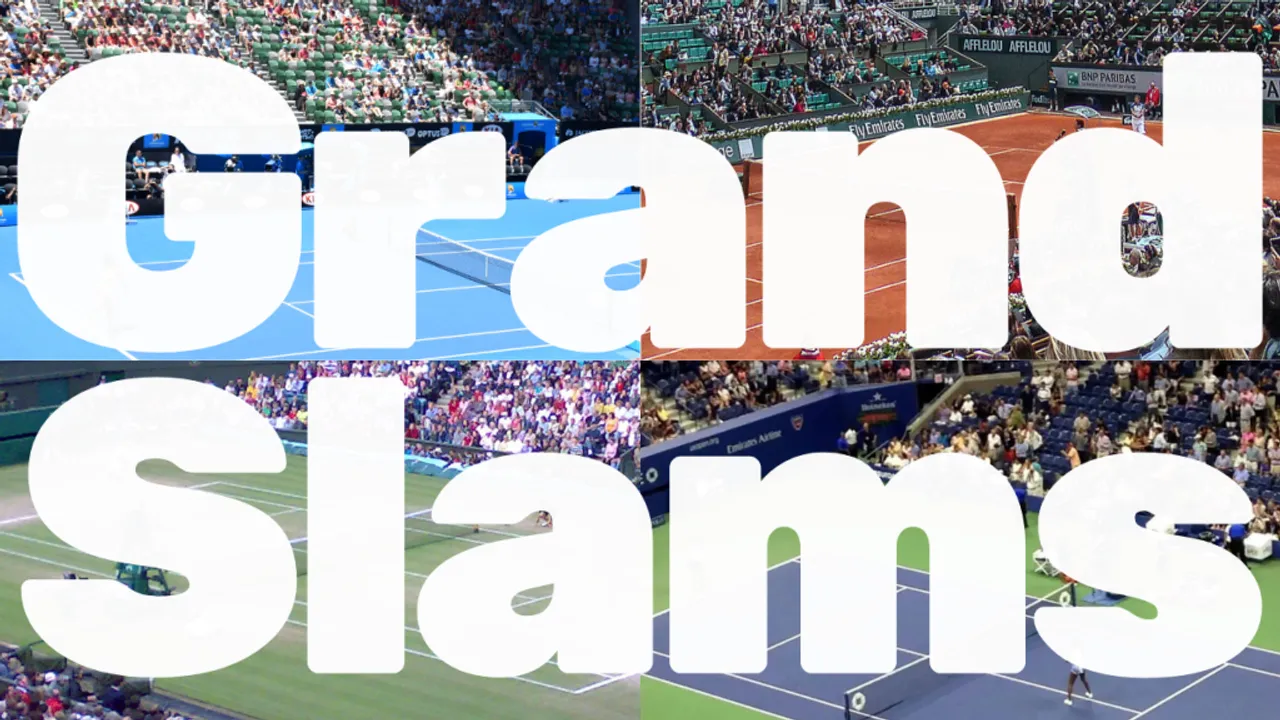
Tennis Grand Slams: The Four Biggest Tournaments in the Sport
The four Grand Slam tournaments are the biggest, most prestigious events in professional tennis, and understanding them is essential to following the sport.
The Australian Open, French Open, Wimbledon, and US Open sit at the top of the tennis calendar. They offer the most ranking points, the largest prize money, and the deepest draws. For players, winning a Grand Slam title is the ultimate career milestone. For fans, these are the four tournaments you absolutely need to know.
I’ve been watching and coaching tennis for decades, and I still feel a different level of excitement when a Grand Slam rolls around. The atmosphere, the stakes, and the quality of play are simply on another level compared to the rest of the tour.
What Makes a Grand Slam Different?
Grand Slams are not just bigger tournaments. They are structurally different from every other event on the professional tour.
- 128-player draw: Most tour events feature 32 or 64 players. Grand Slams double that, meaning the champion must win seven consecutive matches over two weeks.
- Best-of-five sets for men: Men’s singles matches at Grand Slams are played as best-of-five sets, while every other tournament (and women’s singles at all events) uses best-of-three. This makes upsets harder and rewards fitness, mental toughness, and the ability to adjust mid-match.
- 2,000 ranking points: The winner earns 2,000 ATP or WTA ranking points, compared to 1,000 for a Masters 1000 event. A single Grand Slam title can transform a player’s ranking overnight.
- Prize money: Each Grand Slam offers purses exceeding $50 million, with the singles champions taking home several million dollars each.
- Qualifying rounds: Three rounds of qualifying precede the main draw, giving lower-ranked players a shot at competing against the best.
The ITF (International Tennis Federation) governs the Grand Slams in partnership with the host nation’s tennis association, while regular tour events fall under the ATP and WTA. This distinction matters because the rules, scheduling, and traditions at each Grand Slam are set independently, which is why each tournament feels so different.
The Four Grand Slams at a Glance
Each Grand Slam has its own surface, schedule, venue, and personality. Here’s how they compare side by side.
Australian Open
The Australian Open kicks off the tennis season every January during the Australian summer. Expect extreme heat (temperatures regularly exceed 40 degrees Celsius), a relaxed fan atmosphere, and fast hard courts. Roger Federer called it the “Happy Slam” for its welcoming vibe, and the nickname stuck. Novak Djokovic owns the tournament with a record 10 men’s titles.
French Open (Roland Garros)
The French Open is the only Grand Slam played on clay. The slow, high-bouncing surface rewards patience, heavy topspin, and elite fitness. Rafael Nadal’s 14 titles here may be the most dominant record in all of professional sport. It runs for two weeks from late May, capping the European clay court season.
Wimbledon
Wimbledon is the oldest tennis tournament in the world, first played in 1877. Grass courts, an all-white dress code, and strawberries and cream define the experience. The fast, low-bouncing surface rewards aggressive, attacking play, and the tournament’s traditions make it feel unlike anything else in sport. Federer won a record eight men’s titles here.
US Open
The US Open closes out the Grand Slam calendar in late August and September. Played in New York at the world’s largest tennis-specific venue (Arthur Ashe Stadium seats 23,771), the atmosphere is loud, electric, and unapologetically American. Night sessions under the lights are a signature. Jimmy Connors, Pete Sampras, and Federer each won five titles in the Open Era.
How Surfaces Shape Each Grand Slam
One of the most fascinating aspects of the Grand Slams is that they are played on three different court surfaces. This is what makes a Career Grand Slam so difficult to achieve, and it is also what makes the sport so interesting.
Clay at Roland Garros slows the ball down and kicks it up high, rewarding baseline grinders who can sustain long rallies. Grass at Wimbledon does the opposite: the ball stays low, skids, and rewards players who take the ball early and come forward to the net. The hard courts at the Australian Open and US Open sit somewhere in between, though each has its own speed and feel.
This is why certain players dominate specific Grand Slams. Nadal’s heavy topspin was devastating on clay but less effective on fast grass. Federer’s precise, attacking game thrived on grass and hard courts but was vulnerable to Nadal’s high-bouncing shots on clay. Djokovic’s extraordinary movement and return game made him dominant across all surfaces.
When you watch a Grand Slam, pay attention to how the surface changes the style of play. A player who looked unbeatable at the Australian Open may struggle at Roland Garros just a few months later. Understanding surfaces is the fastest way to go from casual fan to someone who truly understands the sport.
The Calendar Grand Slam and Career Grand Slam
In tennis, the word “Slam” is used in two very specific ways, and they mean different things.
A Calendar Grand Slam means winning all four major titles in the same calendar year. This is the rarest achievement in tennis. Only five players have done it in singles: Don Budge (1938), Maureen Connolly (1953), Rod Laver (1962 and 1969), Margaret Court (1970), and Steffi Graf (1988). Graf’s version was even more remarkable because she also won Olympic gold that year, making it a “Golden Slam.”
A Career Grand Slam means winning each of the four majors at least once over the course of a career. This is still an extraordinary achievement, but the timeline is open. In the men’s game, Federer, Nadal, Djokovic, Andre Agassi, and Carlos Alcaraz have all completed the Career Grand Slam in the Open Era. Alcaraz did it the fastest, completing his at 21 years old.
Novak Djokovic came agonizingly close to the Calendar Grand Slam in 2021, winning the Australian Open, French Open, and Wimbledon before falling to Daniil Medvedev in the US Open final. It was a reminder of just how difficult this achievement is, even for the greatest players in history.
Grand Slam Records Worth Knowing
A few records put the Grand Slams in perspective.
Men’s singles titles (all-time Open Era):
- Novak Djokovic: 24
- Rafael Nadal: 22
- Roger Federer: 20
Women’s singles titles (Open Era):
- Serena Williams: 23
- Steffi Graf: 22
- Chris Evert and Martina Navratilova: 18 each
Most titles at a single Grand Slam:
- Rafael Nadal: 14 French Open titles
- Novak Djokovic: 10 Australian Open titles
- Roger Federer: 8 Wimbledon titles
- Serena Williams: 7 Australian Open titles
The Big Three era is over, and a new generation is writing its own Grand Slam story. Carlos Alcaraz, Jannik Sinner, and Aryna Sabalenka have already claimed multiple major titles. Keep an eye on how quickly they accumulate Slam wins compared to their predecessors.
Why Grand Slams Matter More Than Any Other Tournament
I sometimes get asked why Grand Slams carry so much weight when there are dozens of other professional tournaments throughout the year. The answer comes down to three things.
First, the format. Best-of-five sets for men and a 128-player draw mean that the best player almost always wins. Upsets are harder to sustain over five sets than three. The cream rises to the top.
Second, the history. These four tournaments have been running for over a century. Winning one connects you to a lineage of champions stretching back to the 1800s. That kind of tradition simply does not exist at other events.
Third, legacy. When we debate who is the greatest player of all time, the first number everyone looks at is Grand Slam titles. Not Masters 1000 wins, not weeks at number one, not prize money. Grand Slams are the currency of tennis greatness.
Your Guide to Each Grand Slam
Ready to dive deeper? Each Grand Slam has its own dedicated guide covering history, records, venue details, ticketing, and what makes the tournament unique. Pick the one that interests you most and start exploring.
If you have questions about the Grand Slams or anything else on the pro tour, feel free to reach out through our contact page.
Frequently Asked Questions
What is a Grand Slam in tennis?
Who has won the most Grand Slam titles in men's tennis?
Who has won the most Grand Slam titles in women's tennis?
What is a Career Grand Slam?
What is the difference between a Calendar Grand Slam and a Career Grand Slam?
Which Grand Slam is the hardest to win?
More in Tennis Tour

Australian Open: The Iconic Tennis Grand Slam Tournament
Your complete guide to the Australian Open. Discover the history, records, venue details and what makes the Happy Slam unique among Grand Slams.

French Open: Roland Garros Clay Court Grand Slam
Your complete guide to the French Open at Roland Garros. Discover the history, records, clay court tactics and what makes this Grand Slam unique.

Tennis Organizations | Who Governs the Sport?
What do the ITF, ATP, WTA, and USTA actually do? A clear guide to every major tennis organization, what each one controls, and how they work together.

10 Greatest Tennis Records That Will Never Be Broken
From Nadal's 14 French Opens to Djokovic's 24 Grand Slams, discover the 10 most unbreakable tennis records in history.

Tennis Stats Explained | The Numbers That Win Matches
Learn the tennis stats that separate winners from losers, from first-serve percentage to break points converted, with all-time benchmarks from the best players.

The Most Prestigious Tennis Tournaments
Complete guide to pro tennis tournaments: ITF Futures, ATP/WTA Challengers, Masters 1000, Grand Slams, and team events like the Davis Cup.