
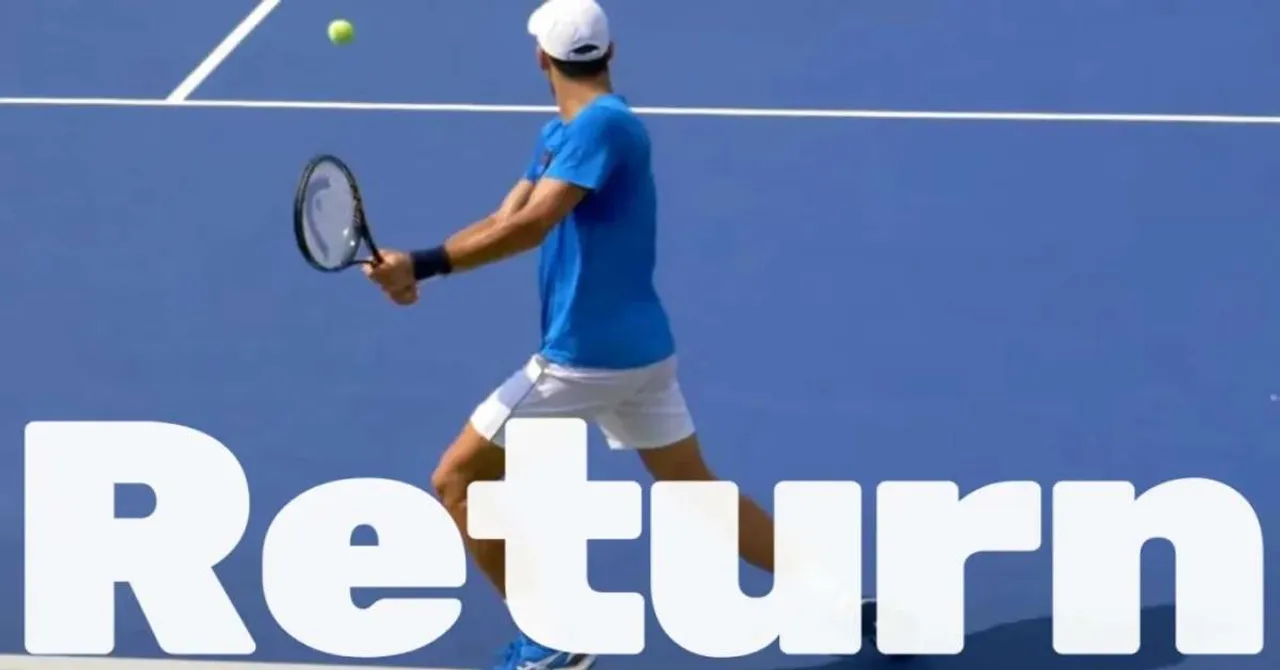
How to Return Serve in Tennis: Positioning, Timing and Tactics
The return of serve is one of the most undercoached shots in tennis, yet it directly determines whether you can break serve and win matches. Think about your last few tennis lessons. You probably hit plenty of forehands and backhands, maybe some volleys, and if time allowed, a few serves at the end. But when was the last time you specifically practiced returning?
I see this pattern with players at every level. The return of serve gets ignored in practice, then players wonder why they struggle to break serve in matches. The only way to build a reliable return is to put in dedicated practice hours while focusing on the right fundamentals.
The speed of the incoming ball is the biggest difference between a groundstroke and a return. On a slow second serve, your swing will look similar to a regular rally ball. Against a fast first serve, you need specific adjustments to your preparation and swing length. Here are the key components of a solid return of serve.
Positioning
Where you set up for the return matters more than most players realize. Visualize two lines stretching from your opponent’s racket into the service box on your side: one running along the center service line and one reaching out wide where the service line meets the singles sideline. Stand in the middle of those two lines to cover both sides equally.
If your opponent favors one serve location, you can shade toward that side while leaving the less-preferred side slightly open. This is a calculated gamble that pays off when you read the pattern correctly.
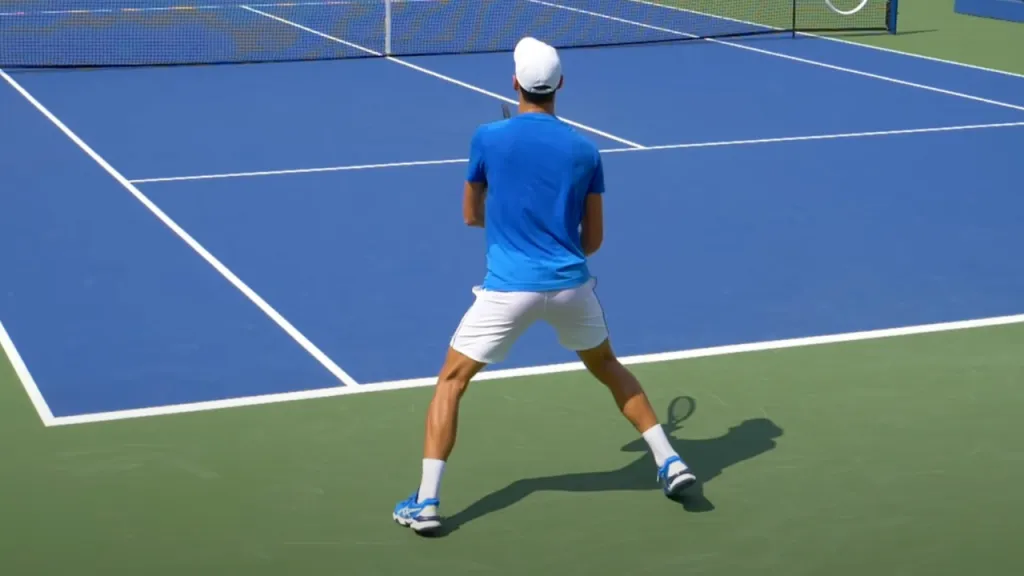
Many singles players today stand well behind the baseline to buy extra reaction time. Rafael Nadal made this approach famous, routinely setting up several feet behind the line on fast serves. In doubles, however, standing too far back gives the net player too much time to read your return and pick it off with a volley.
Against a big server, start a step or two further back than normal to give yourself more time. Against a weaker server, move inside the baseline to take the ball early and put immediate pressure on the point.
Split Step
The split step is the foundation of every good return. It is more of a small hop than an actual step. As your opponent tosses the ball during their service motion, you push forward with a light jump, landing with your feet shoulder-width apart or slightly wider. Your knees bend, your center of gravity drops, and you are now in an athletic stance ready to push off explosively in either direction.
The timing is everything. Split step just as your opponent makes contact with the ball, not before and not after. This loads your legs like springs so you can react instantly to the direction of the serve.
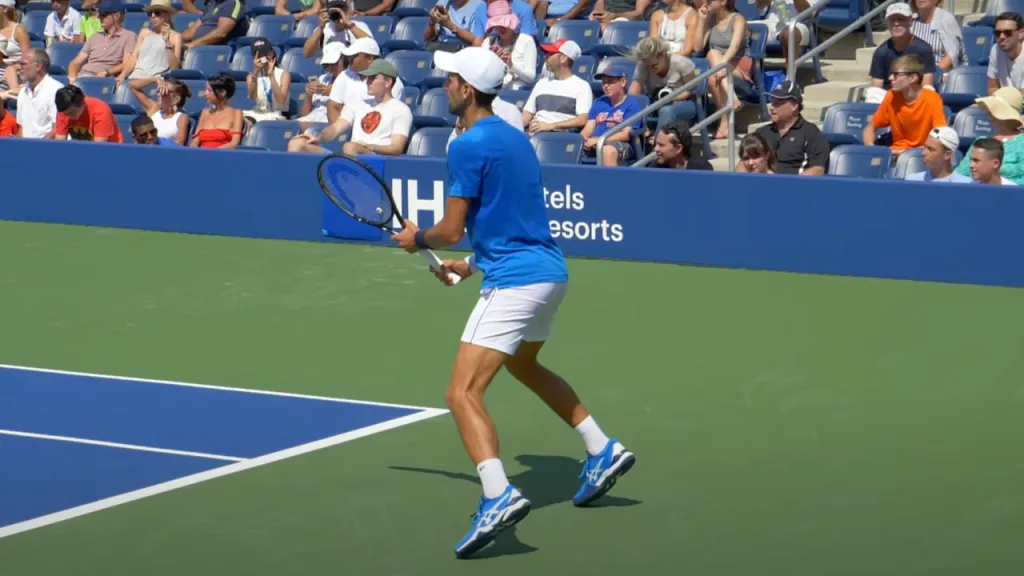
Most intermediate players skip the split step entirely, and it shows. Incorporating this one movement can be the difference between consistently reaching serves and constantly scrambling late. Novak Djokovic’s split step is one of the best in the game, and it is a major reason he is widely considered the greatest returner in men’s tennis history.
Split Step Timing Drill
BeginnerThis drill isolates the split step so you can build muscle memory without worrying about the quality of your return.
- Stand in your return position while a partner serves or feeds balls
- Focus only on timing your split step to land exactly as the server makes contact
- After landing, take one explosive step toward the ball and catch it with your non-racket hand
- Once the timing feels natural, progress to actually hitting returns
The Grip
Grip choice on the return is largely a matter of personal preference. Most players start with a continental grip because it is a neutral position that allows a quick switch to either a forehand or backhand grip. This is especially helpful for players who use a two-handed backhand, where the grip change needs to happen in a fraction of a second.
The continental grip also works well for defensive chip returns, where you slice the ball back deep to neutralize a powerful serve. Players like Andy Murray have built entire return games around this versatile grip foundation.
Swing
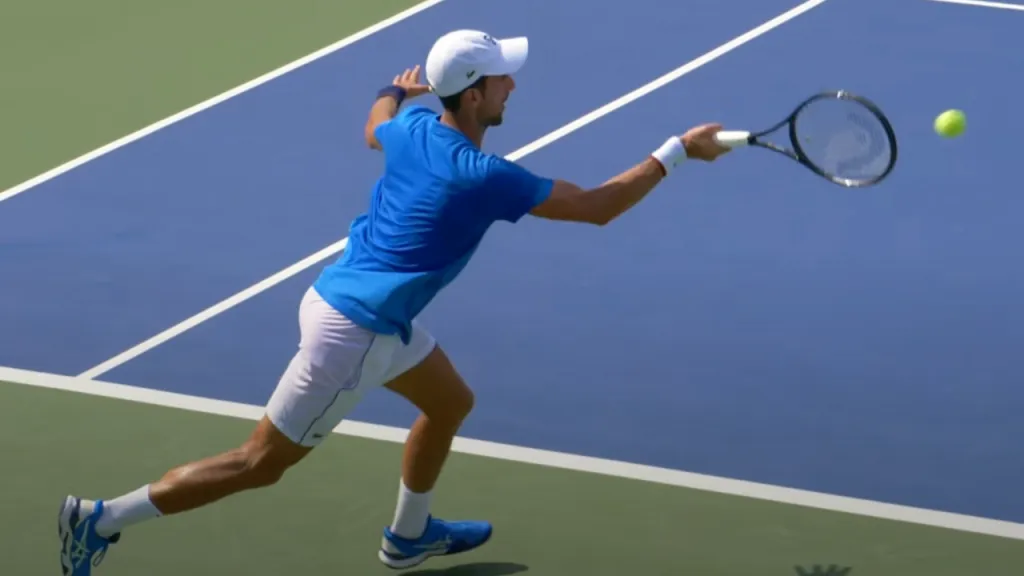
As you step toward the ball, bring your racket forward to meet the ball out in front of your body. The key difference from a regular groundstroke is swing length. Against fast serves, shorten your backswing significantly and let the pace of the serve do the work. Your contact point should be well in front of you, similar to a forehand or backhand, with the follow-through wrapping naturally around the opposite side of your body.
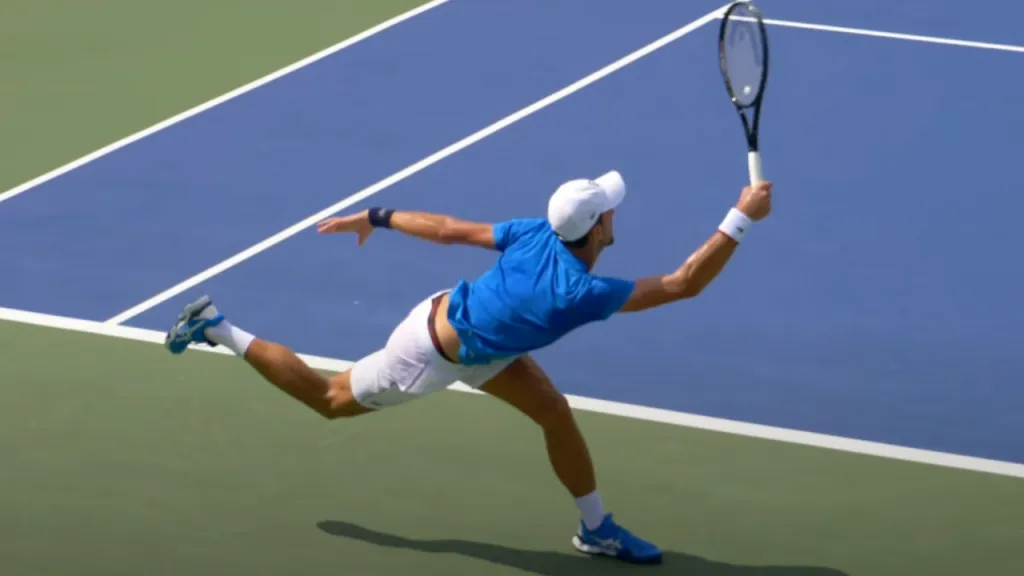
Think of your return swing as a “block and redirect” rather than a full groundstroke. The faster the serve, the shorter your backswing should be. Andre Agassi was a master of this technique, using compact swings to redirect power back with precision.
Point of Contact
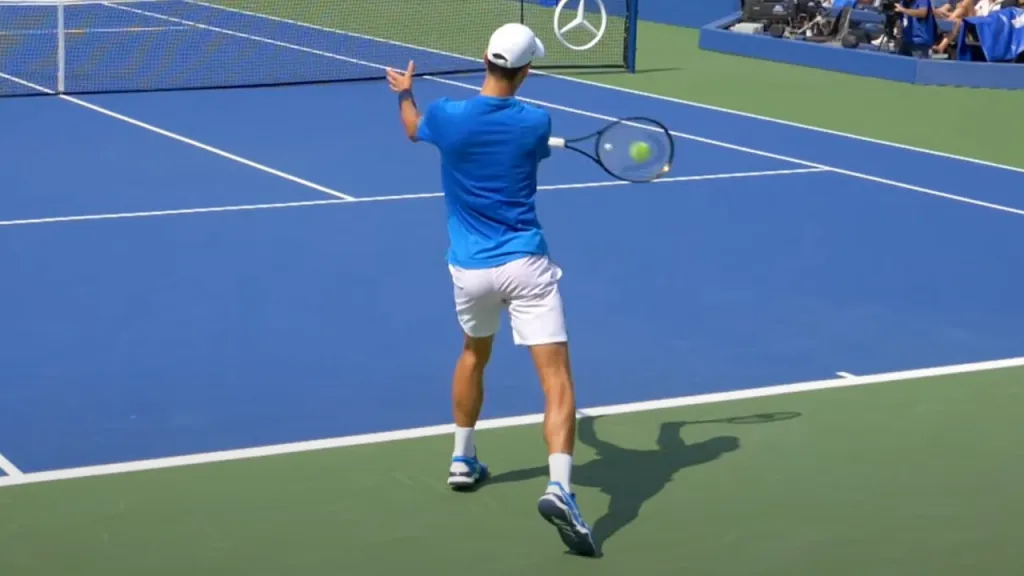
Make sure the ball is in front of you at the moment of contact. One of the most common errors on the return is looking up too early and failing to watch the ball all the way onto the strings. Having someone film your returns is the best way to check whether your contact point is truly out front.
Watching the ball through contact is essential on every shot, but it is especially critical on the return because the ball arrives so much faster than during a rally. The margin for error shrinks dramatically when you are dealing with serve speeds.
Recovery
Hitting a winner off the return is rare, so your recovery after the shot is crucial. A powerful serve can pull you out wide, opening up the entire court for your opponent’s next shot. Get back to the middle of the baseline as quickly as possible and prepare for the next ball, just as you would during any baseline rally.
Your recovery footwork should mirror your rally recovery. After hitting the return, take quick adjustment steps back toward the center rather than standing and admiring your shot.
Best Return of Serve Tactics
Get the point started. Your number one goal should be starting the point whenever you are returning serve. Your chances of breaking serve drop dramatically when you miss returns. Before worrying about placement or power, focus on getting every return in play. A soft, high return into the center of the court is always better than a missed return.
Prioritize depth on first-serve returns. The purpose of your first-serve return is to prevent the server from controlling the point with their second shot. Rather than going for pace or angles, aim the ball deep toward the center of the court. Depth reduces your opponent’s options and buys you time to recover.
Attack the second serve. The dynamic shifts completely on second-serve returns. Step inside the baseline, commit to an aggressive swing, and look to dictate the point from the very first ball. The server’s goal is simply to get the second serve in. Your goal is to make them pay for anything that lands short or without enough spin.
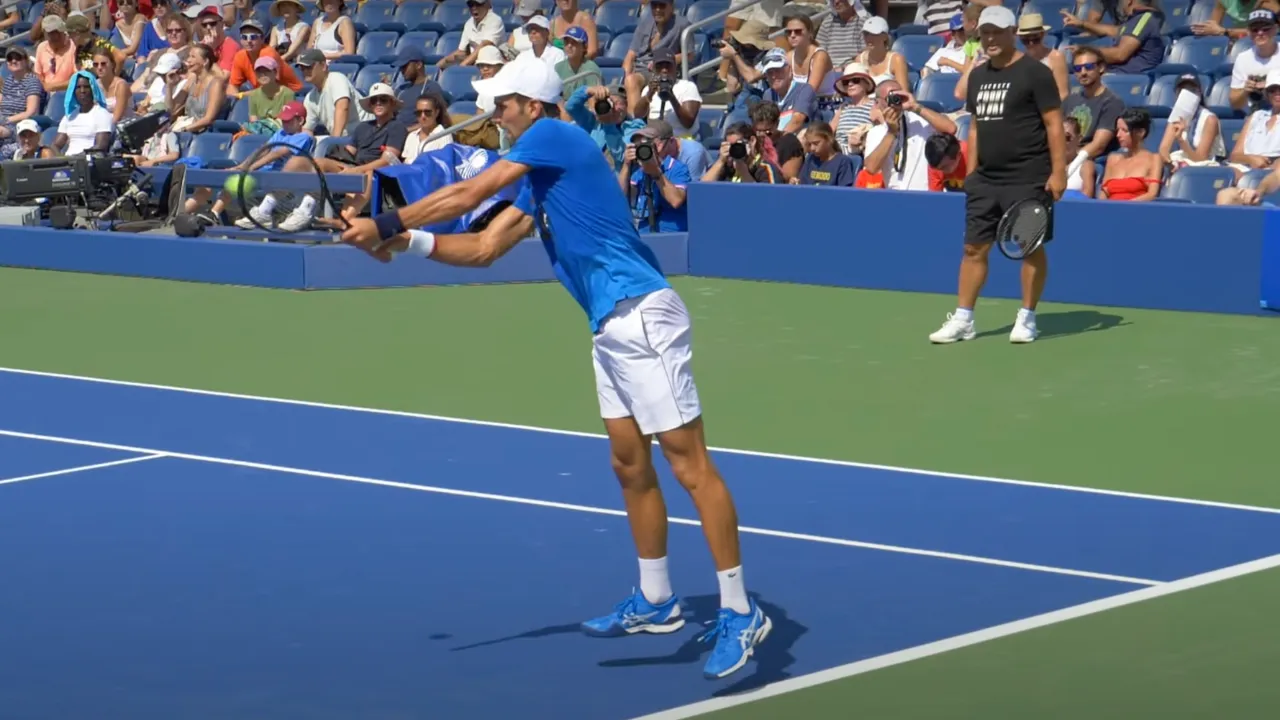
Target your opponent’s weakness. The more you can force your opponent onto their weaker groundstroke side, the more likely you are to win the point. For most players, that means returning to the backhand side whenever possible. Scout your opponent early in the match and adjust your return direction based on what you observe.
Watch the server’s ball toss carefully. A toss placed more to the right (for a right-handed server) often signals a wide serve, while a toss more overhead or to the left can indicate a serve down the center or into your body. The best returners start reading the toss before the server even makes contact.
Final Thoughts
The return of serve is a skill that rewards dedicated practice. By focusing on proper positioning, split-step timing, compact swings, and smart tactics, you can put consistent pressure on your opponent’s service games. The best returners in history, from Agassi to Djokovic, did not rely on talent alone. They practiced their returns with the same intensity they brought to every other part of their game.
Start with the fundamentals outlined here, then work on reading your opponent’s toss and service motion. Every small improvement in your return game translates directly into more break opportunities and more matches won.
Frequently Asked Questions
Why is making the return of serve so important?
What are the best return of serve tactics?
What percentage of service games are won by the server?
How long do tennis players have to react to a serve?
What is a body serve in tennis?
Who are the best returners in tennis history?
More in Tennis Strokes
How To Hit Your Tennis Backhand In A Few Simple Steps
Master your tennis backhand with this step-by-step guide. Learn one-handed and two-handed technique, grips, topspin, and slice from a coaching perspective.
The Tennis Drop Shot: Technique, Tactics, and Tips
Learn how to hit a winning drop shot in tennis. Master grip, disguise, timing, and tactics with pro tips from Alcaraz, Federer, and Djokovic.

Hit a Powerful Tennis Forehand in 6 Simple Steps
Learn how to hit a powerful tennis forehand with proper grip, stance, and swing technique. Step-by-step guide covering topspin, drills, and common mistakes.
The Tennis Overhead Smash | Technique, Strategy, and Drills
Master the tennis overhead smash with proper grip, footwork, and contact technique. Includes positioning, strategy, and practice drills.
The Tennis Lob: Offensive and Defensive Technique Guide
Master the tennis lob with this complete guide covering offensive and defensive techniques, grips, footwork, drills, and common mistakes to avoid.
How to Volley in Tennis: Technique, Footwork and Drills
Master the tennis volley with proper continental grip, footwork, and contact point technique. Includes drills and tips from a coach's perspective.