
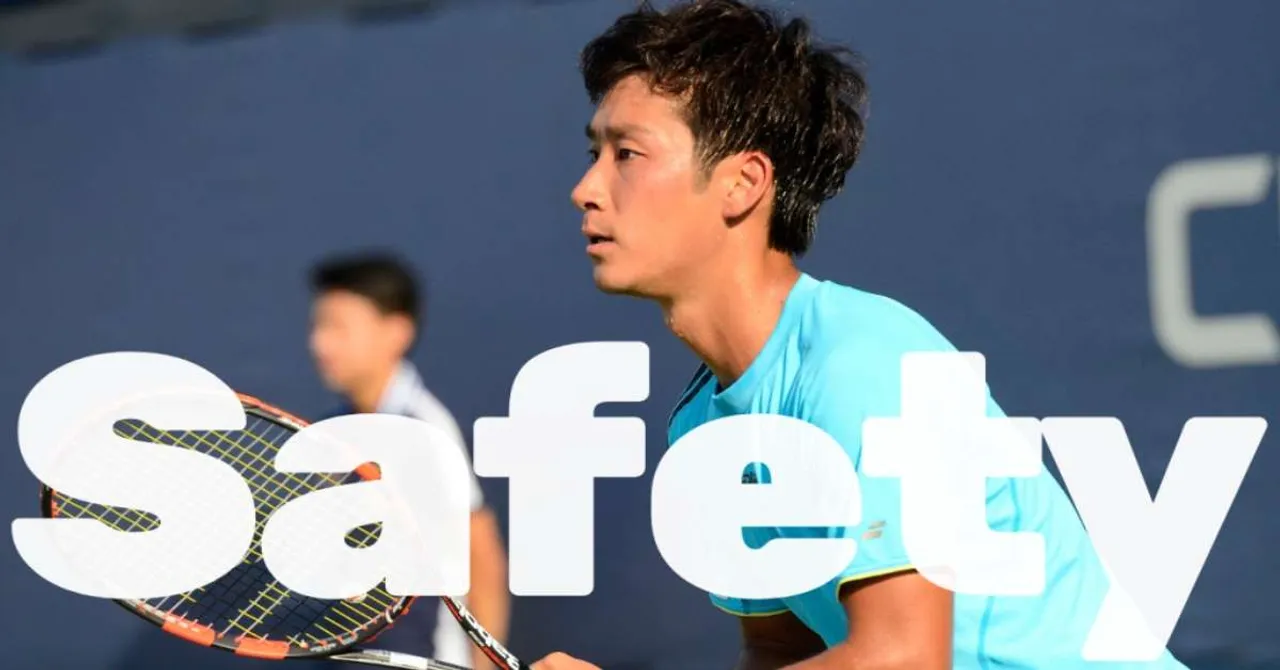
Tennis Safety | 8 Tips to Stay Injury-Free on Court
Tennis safety covers the equipment choices, physical preparation, and on-court awareness that keep you injury-free and playing for years.
Tennis is one of the few sports where you can compete from age five to eighty-five. But that long playing career only happens if you take care of your body and play smart. I’ve coached recreational players for years, and the injuries I see most often are entirely preventable, from rolled ankles on debris-covered public courts to chronic tennis elbow caused by the wrong racket.
Whether you’re picking up a racket for the first time or grinding through your club’s summer league, these eight safety guidelines will keep you on the court and out of the physio’s office.
Choose the Right Equipment
Your racket is your primary tool, and using the wrong one is a fast track to elbow, wrist, and shoulder problems. The key factors are grip size, head size, weight, and string tension.
Grip size is the easiest to get right. Measure from the tip of your ring finger to the center of your palm. If you’re between sizes, go with the smaller one and add an overgrip. A grip that’s too large forces you to squeeze harder on every shot, which strains your forearm muscles over time.
Head size and weight matter more than most beginners realize. If you’re new to tennis, start with a larger head (100+ square inches) and lighter frame. These rackets offer a bigger sweet spot and require less effort to generate power. Jumping straight to a 95-square-inch player’s frame when you haven’t developed proper swing mechanics is asking for muscle strains.
String tension affects both power and arm comfort. Lower tension (48 to 52 lbs) is easier on your arm and generates more power. Higher tension gives more control but transmits more vibration. If you’ve had arm issues, drop your tension a few pounds and consider a softer string like natural gut or multifilament.
If you’re getting pain in your elbow or forearm after matches, your racket is the first thing to examine. A qualified pro shop can analyze your grip size, string tension, and frame stiffness. Often a simple adjustment eliminates the problem entirely.
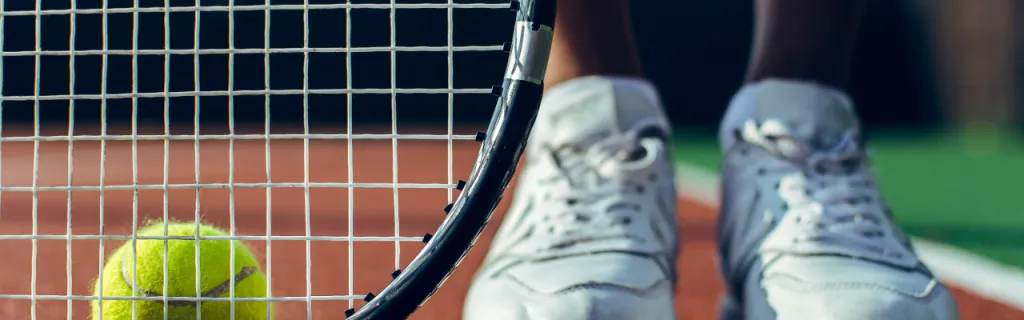
Don’t overlook footwear. Tennis-specific shoes feature lateral support, reinforced toe caps, and outsoles designed for court surfaces. Running shoes lack the sideways stability you need for the constant lateral movement in tennis, making ankle rolls far more likely.
Tennis socks matter too. Look for synthetic moisture-wicking fabrics with cushioning under the ball of your foot and support around the ankle. Cotton socks hold moisture and create blisters.
Stay Hydrated
Dehydration is one of the sneakiest dangers in tennis. You’re moving constantly, often in direct sun, and a typical singles match burns 400 to 600 calories per hour. Your body loses water fast, and by the time you feel thirsty, your performance has already dropped.
Here’s a practical hydration plan:
- Two hours before play: drink 16 to 20 ounces of water
- During warm-up: another 8 ounces
- Every changeover: 4 to 8 ounces, more in extreme heat
- After play: 16 to 24 ounces for every pound of body weight lost
For matches lasting over 90 minutes or played in temperatures above 85°F (30°C), add an electrolyte drink. Plain water alone won’t replace the sodium, potassium, and magnesium you lose through sweat. Novak Djokovic famously sips electrolyte drinks at every changeover, and there’s good science behind it.
Check your urine color before and after play. Pale yellow means you’re well hydrated. Dark yellow or amber means you need to drink more. It’s the simplest and most reliable hydration test available.
Several factors affect how quickly you dehydrate:
- Air temperature and humidity: your body cools itself through evaporation, which becomes less effective in humid conditions
- Clothing color: dark colors absorb heat, while lighter colors reflect sunlight
- Direct sun exposure: prolonged time without shade raises your core temperature
- Age: children acclimatize to heat more slowly than adults, so junior players need extra monitoring
- Pre-match hydration: starting a match even mildly dehydrated significantly increases injury risk

Watch the Weather
Weather awareness is a core part of tennis safety that too many players ignore. I’ve seen club players push through dangerous heat because they didn’t want to forfeit a league match. That’s never worth the risk.
In hot conditions, wear light-colored, moisture-wicking fabrics that let your skin breathe. The USTA recommends white or light cotton/polyester blends to reflect sunlight. Drink several cups of water before you step on court, and use every changeover to hydrate. Wear tennis sunglasses with UV protection and a cap or visor to shield your face.
In cold conditions, dress in removable layers. Start with a moisture-wicking base layer, add a fleece or light jacket, and peel layers off as you warm up. Cold muscles are more susceptible to strains, so allow extra warm-up time.
In wet conditions, the safest decision is often to wait. Wet hard courts become dangerously slippery, and the risk of a fall increases dramatically. Clay courts handle light moisture better, but standing water on any surface is a clear signal to stop.
When the heat index exceeds 95°F (35°C), consider moving your match to early morning or evening. If you experience dizziness, nausea, or stop sweating during play, stop immediately. These are warning signs of heat exhaustion, which can escalate to heat stroke quickly.

Inspect the Court Before Playing
A quick court inspection takes two minutes and can prevent a season-ending injury. I make my students walk the court before every session, and you should do the same.
Look for:
- Loose debris: small rocks, broken glass, leaves, and twigs are common on public courts
- Stray balls: tennis balls left on court are a classic ankle-roll hazard
- Surface damage: cracks in hard courts can catch your toe, and uneven patches on clay create tripping risks
- Wet spots: dew, puddles, or sprinkler overspray make surfaces dangerously slippery
- Net and post condition: check that the net is at the correct height (36 inches at center) and posts are stable
Clear your bags, water bottles, and spare equipment off the court entirely. Keep them outside the fence or well behind the baseline. I’ve seen players trip over their own gear bag during a wide ball chase more times than I’d like to admit.
Different court surfaces affect your body differently. Clay courts absorb more impact and allow natural sliding, making them the gentlest option for your joints. Hard courts transmit the most shock and are associated with higher rates of shin splints, stress fractures, and knee tendinitis.
Protect Your Skin
Tennis is primarily an outdoor sport, and UV exposure adds up fast over a two-hour match. Skin cancer risk increases with cumulative sun exposure, making sun protection a genuine safety concern rather than just a comfort issue.
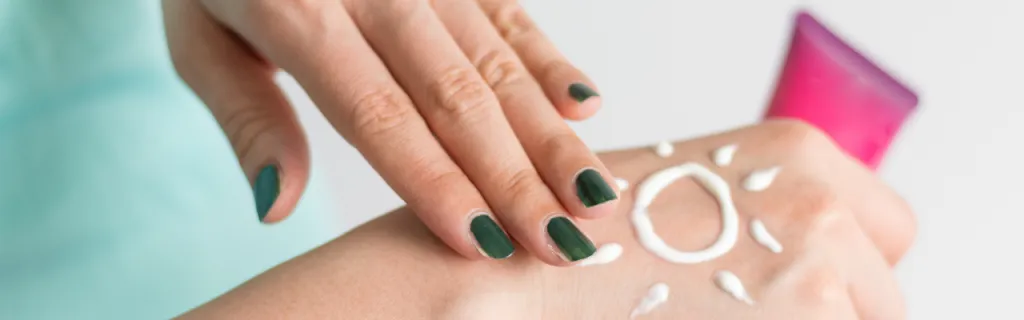
Apply broad-spectrum SPF 30+ sunscreen to all exposed skin at least 15 minutes before play. Reapply every two hours, or more frequently if you’re sweating heavily. Don’t forget commonly missed spots: the back of your neck, your ears, and the tops of your hands.
A cap or visor protects your face, and UV-blocking sunglasses protect your eyes. Long-sleeve moisture-wicking shirts with built-in UPF protection are another practical option, especially for players who burn easily.
Warm Up Properly
Skipping your warm-up is the single most common mistake I see at recreational level. Players arrive, hit a few balls, and jump straight into match play. Cold muscles are tight muscles, and tight muscles tear.
A proper warm-up takes 10 to 15 minutes and follows a specific sequence:
- Light cardio (3 to 5 minutes): jogging, skipping, or side shuffles to raise your heart rate and body temperature
- Dynamic stretching (5 to 7 minutes): arm circles, leg swings, hip rotations, lunges with rotation, and lateral shuffles. Focus on shoulders, hips, hamstrings, and calves
- Easy hitting (3 to 5 minutes): start with slow, controlled groundstrokes from mid-court before moving back to the baseline
Save static stretching for your cool-down after the match. Research from the American College of Sports Medicine shows that static stretching before activity can temporarily reduce muscle power, which is the opposite of what you want heading into a match.
For more on building a complete tennis fitness routine including warm-up and cool-down protocols, check our dedicated guide.
Spend 5 to 10 minutes after every match doing light stretching, focusing on your calves, quads, hip flexors, and shoulders. This helps clear lactic acid and reduces next-day soreness. Your future self will thank you.

Use Proper Technique
Good technique isn’t just about winning more points. It’s your best long-term injury prevention. Players who hit with poor form compensate with brute force, and that’s how overuse injuries develop.
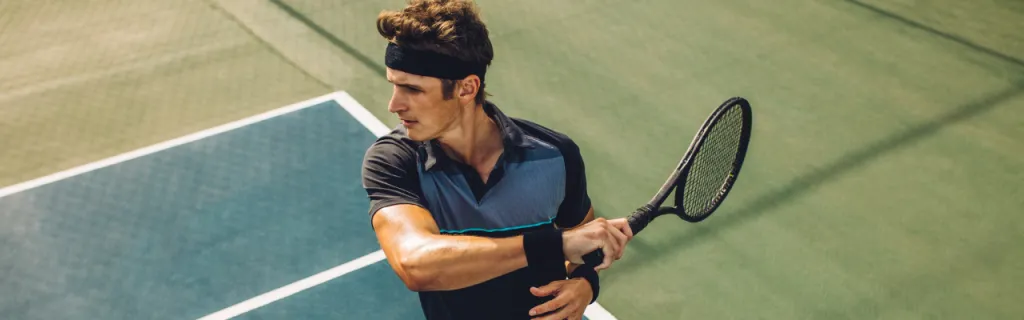
Tennis elbow (lateral epicondylitis) is the most well-known example. It typically results from hitting backhands with a stiff wrist and leading with the elbow rather than rotating through the core. A qualified coach can spot these mechanical issues in a single lesson and give you drills to correct them.
Key technique principles that protect your body:
- Use your legs and core to generate power, not just your arm. Rafael Nadal’s forehand gets its legendary force from his legs, not his wrist.
- Stay balanced through your shots. Hitting off-balance puts asymmetric load on joints.
- Follow through fully on every stroke. Stopping your swing short jars your joints.
- Learn proper footwork so you set up for shots early instead of reaching and lunging.
If you’re experiencing recurring pain, consider working with a coach to analyze your stroke mechanics. The issue is often a small technical flaw that’s easy to fix once identified. For chronic elbow issues, a brace can provide relief while you correct the underlying technique.
Handle Injuries the Right Way
Despite your best precautions, injuries happen. How you respond in the first minutes matters enormously for recovery time.
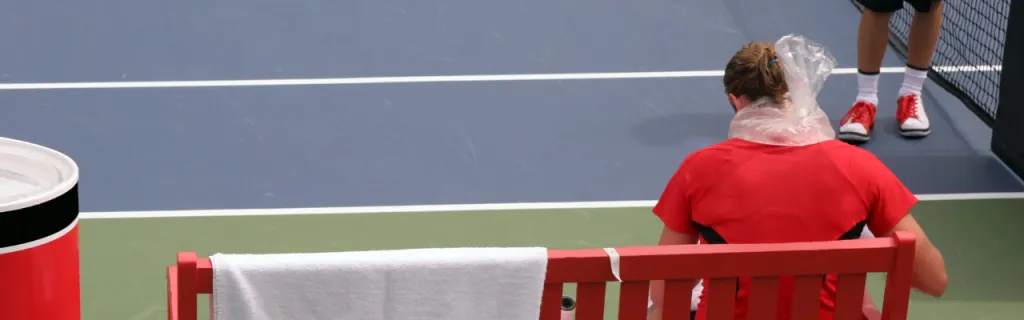
The golden rule: stop playing immediately. I can’t stress this enough. Playing through pain turns minor strains into major injuries. A tweaked hamstring that needs a week’s rest becomes a torn hamstring needing months of rehab if you keep pushing.
For acute injuries, follow the RICE protocol:
- Rest: stop the activity immediately
- Ice: apply ice wrapped in a towel for 15 to 20 minutes
- Compression: use an elastic bandage to reduce swelling
- Elevation: raise the injured area above heart level
Every tennis club should have a well-stocked first aid kit, ice packs, and posted emergency contact information. If you play at public courts, keep a basic first aid kit in your tennis bag.
For recurring injuries, get professional guidance on proper bracing, taping, and rehabilitation. A sports physio who understands tennis-specific movement patterns is worth their weight in gold.
Quick-Reference Safety Checklist
Before you head to the court, run through this checklist:
- Equipment: racket grip size correct, strings in good condition, tennis shoes with adequate support
- Hydration: pre-hydrated (16 to 20 oz in the two hours before play), water bottle packed
- Sun protection: SPF 30+ sunscreen applied, hat and sunglasses ready
- Warm-up: plan for 10 to 15 minutes of progressive warm-up before playing points
- Court check: surface clear of debris, dry, and in good repair
- Weather: conditions checked, appropriate clothing selected
- First aid: basic supplies accessible, know where the nearest help is
- Nutrition: light pre-match meal eaten 1 to 2 hours before play
Final Thoughts
Tennis safety comes down to preparation and awareness. The right equipment, proper hydration, a thorough warm-up, and good technique handle the vast majority of preventable injuries. None of these steps take much time or effort, but they make the difference between enjoying the health benefits of tennis for decades and sitting on the sideline nursing an avoidable injury.
Take care of the basics, listen to your body, and don’t be too proud to stop when something doesn’t feel right. If you have questions about any of these guidelines or want to share your own safety tips, feel free to reach out through our contact page.
Frequently Asked Questions
What are the most common tennis injuries?
How much water should I drink while playing tennis?
Is it safe to play tennis in hot weather?
What type of tennis court surface is safest for your joints?
How long should I warm up before playing tennis?
More in How To Play Tennis

The 10 And Under Tennis Program
Learn how the USTA 10 and under tennis program uses smaller courts, lighter rackets, and low-compression balls to help kids build real skills and love the game.

College Tennis: How To Get Recruited By Your Dream College
Practical guide to getting recruited for college tennis, from UTR ratings to recruiting videos. Tips that actually help you stand out.

Tennis Nutrition: What to Eat Before, During & After a Match
Fuel your tennis game with the right nutrition. Pre-match meals, on-court hydration, post-match recovery foods, and what the pros actually eat.

Tennis Fitness: Exercises, Drills, and Training That Actually Work
Improve your tennis fitness with exercises for speed, agility, strength, and endurance. HIIT workouts, reaction drills, and recovery tips.
How to Become a Pro Tennis Player
A realistic guide to becoming a professional tennis player, from starting young and getting coached to competing on the Challenger Tour.

8 Science-Backed Health Benefits of Playing Tennis
Tennis cuts cardiovascular mortality by 56%, builds bone density, burns 400-600 cal/hr, and sharpens your brain. Here are 8 proven health benefits of playing tennis.