
How to Become a Pro Tennis Player
Becoming a professional tennis player means dedicating years of your life to mastering a sport where only a tiny fraction of competitors ever earn a living from it. It’s a challenging and rewarding journey that requires talent, discipline, and an honest assessment of where you stand at every stage.
In this guide, we’ll walk through the realistic steps you need to take to play tennis at a professional level, from developing your skills and building your fitness to competing in tournaments and securing sponsorships.
Whether you’re a parent evaluating the path for your child or an ambitious junior looking to understand what’s ahead, this guide will give you an honest picture of what it takes.
Understand the Basics First
Let’s be honest. Becoming a good tennis player is not easy. Picking up the fundamentals of the game is one thing, but going from recreational player to professional requires years of structured practice, discipline, and commitment to improving every aspect of your game.
Before you even think about going pro, you need to have a solid foundation in scoring, court positioning, and the core strokes. Without those building blocks, everything that follows becomes much harder.
Start Early
Most of the professional players we see competing at Grand Slams started playing tennis at a very early age. Rafael Nadal was just three when he picked up a racquet for the first time, while Novak Djokovic wasn’t much older at four. Carlos Alcaraz started at four as well, coached by his father at Real Sociedad Club de Campo.
There are some exceptions. The Italian player Lorenzo Sonego started playing at the age of 11 and still reached a career-high ranking of No. 21. But examples like these are genuinely rare on the professional tours. The earlier you start, the more time your body has to develop the muscle memory, coordination, and court awareness that separate pros from club players.
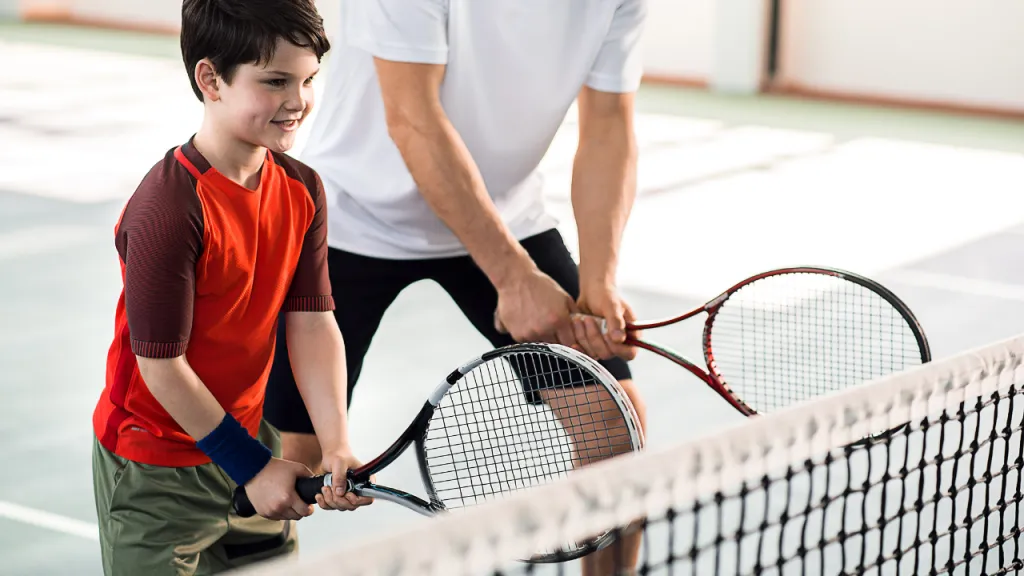
If your child is showing interest in tennis between ages 4 and 7, find a program that emphasizes fun and movement over competition. The goal at this stage is building a love for the sport and developing athletic coordination, not grinding out results. Check out our guide for tennis parents for more on this.
Get Proper Coaching
Tennis is not just about hitting a ball over the net. It has a steep learning curve that cannot be overcome without getting the fundamentals right from the start.
Learning proper technique is a critical piece of that puzzle, and it doesn’t happen by accident. It requires competent coaching that builds skills step by step, from grip and footwork to shot selection and point construction.
Look at the early years of the all-time greats. Nadal was coached by his uncle Toni Nadal from childhood. Djokovic trained under the legendary Jelena Gencic, who also developed Monica Seles and Goran Ivanisevic. These weren’t casual lessons. They were structured, long-term coaching relationships that shaped every aspect of their games.
I didn't just teach Novak tennis. I taught him about music, languages, respect, and how to be a complete person.
I’ve seen plenty of talented juniors who developed bad habits early because they were self-taught or worked with an inexperienced coach. Fixing a flawed forehand grip or poor serve motion at 16 is far harder than learning it correctly at 8. Invest in quality coaching early.
Know the Rules Inside Out
You can’t compete seriously without knowing the rules of tennis in their entirety. Beyond the scoring system, you need to understand the code of conduct, time violation rules, coaching regulations, and how different tournament formats work.
Knowing the dimensions of the court is equally important. When you internalize court geometry, you develop better accuracy on serves and groundstrokes because you instinctively know your margins from any angle.
Study the ITF Rules of Tennis document at least once. Pay special attention to the rules around hindrance, let calls, and the point penalty system. I’ve watched juniors lose matches because they didn’t know they could challenge a call or didn’t understand the consequences of racquet abuse. Knowledge is a competitive advantage.
Train Like a Professional
Professional tennis players train with a structure and intensity that goes far beyond hitting balls for a couple of hours. Here’s what a typical weekly training schedule looks like at the professional level:
On-court sessions include hitting drills, footwork exercises, and practice sets with a coach or hitting partner. The best players don’t just rally. They practice with intention, working on specific patterns and strategies for different match situations.
Physical conditioning keeps players match-fit over grueling multi-week tournament schedules. This means running, stretching, weight training, and cardio work, often before or after court sessions. Our fitness guide covers this in more detail.
The mental game is where many talented players fall short. Working with a sports psychologist on visualization, focus, and emotional regulation can be the difference between a player ranked 200 and one ranked 50.
Nutrition and recovery round out the picture. Professional players pay close attention to what they eat, how much they sleep, and how they manage their bodies between matches.
When I was training seriously, the biggest jump in my game came from structured point play, not just drilling. Set up practice sets with specific conditions: you can only approach the net, or you must hit every second ball to the backhand side. This forces you to execute under pressure rather than just groove comfortable shots. If you’re practicing alone, use a ball machine with randomized feeds to simulate real match unpredictability.
Play Tournaments and Build Your Ranking
Playing tournaments is where the real development happens. You can train all day, but match play teaches you things that practice simply cannot.
- Exposure: Performing well at local events gets you noticed by coaches, scouts, and talent identification programs. Consistent results at regional level open the door to national tournaments.
- Ranking points: Nearly all competitive tournaments award ranking points. These determine which events you can enter next and are the currency of your progression through the system.
- Pressure experience: Learning to manage nerves, close out tight sets, and recover from bad patches is something that only comes from competitive play. The more matches you play, the better you handle pressure.
- Benchmarking: Tournaments show you exactly where you stand relative to your peers. That honest feedback is invaluable for setting realistic goals.
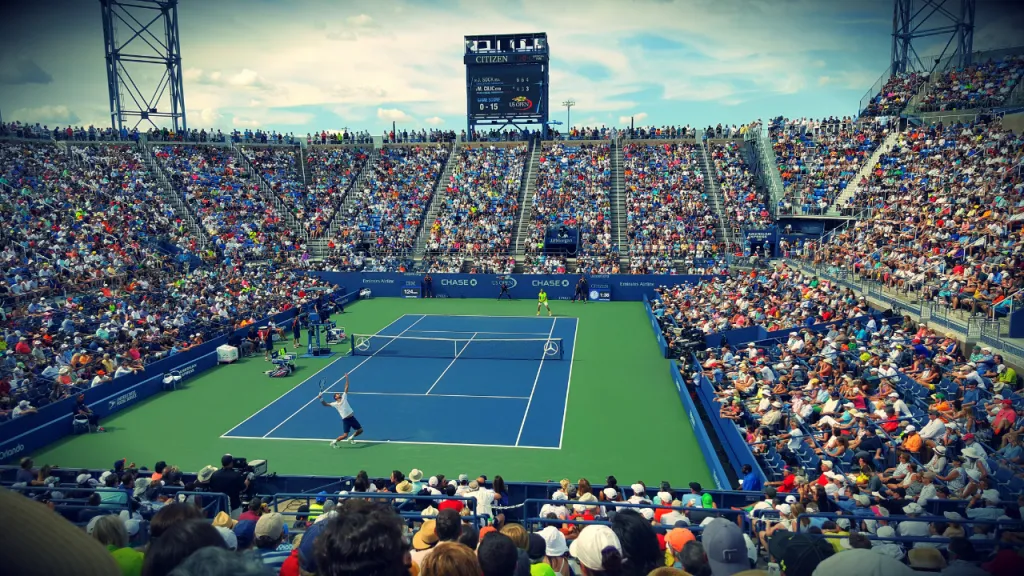
For juniors under 10, modified-format events (shorter courts, lower-compression balls) are the starting point. From there, the path typically moves through regional and national junior events, ITF junior tournaments, and eventually onto the ITF World Tennis Tour and Challenger Tour.
Don’t skip levels. I’ve seen parents push their kids into tournaments they aren’t ready for, thinking the “exposure” will help. Getting crushed 6-0, 6-0 every week does nothing for development or confidence. Win consistently at your current level before moving up. The results will follow.
Understand the Financial Reality
Going pro in tennis is expensive. Before prize money starts covering costs, players and their families often invest significant sums. Here’s what the expenses look like:
- Travel: Flights, hotels, meals, and ground transport to tournaments around the country or the world
- Equipment: Rackets, strings, shoes, bags, and clothing add up quickly when you’re competing regularly
- Coaching and support staff: A full-time coach, fitness trainer, and physiotherapist can cost well over $100,000 per year
- Medical care: Injury treatment, rehabilitation, and sports medicine consultations
- Living expenses: Rent, food, and daily costs while traveling and competing
This is why sponsorships matter so much for developing players. Equipment deals, clothing sponsorships, and financial support from tennis federations can make the difference between continuing your career and being forced to stop. Building a social media presence and performing well in visible tournaments helps attract sponsors. Some national federations, like the USTA, offer development grants to promising juniors.
The Realistic Path to Pro Tennis
Let’s be direct about the numbers. The chances of becoming a professional tennis player who earns a living from the sport are extremely small. Realistically, only the top 100 players in the world earn enough to comfortably support themselves after expenses.
The path looks like this for most aspiring pros:
- Junior circuit (ages 10-18): Dominate at club, regional, and national level. Compete in ITF junior events and aim for a top national or international junior ranking.
- ITF World Tennis Tour (ages 16-22): These are the entry-level professional events. You earn ATP or WTA points here and need strong results to move up.
- Challenger Tour: The bridge between development and the main tour. Consistent results here can push you into the top 200-300 in the world.
- ATP/WTA main tour: Qualifying for and competing in ATP 250, 500, and Masters 1000 events (or WTA equivalents). This is where careers are made.
The feedback loop in tennis is clear and honest. Your results at each stage tell you whether you’re ready for the next one. There are no shortcuts, and very few alternate routes. If you’re not winning at junior nationals, the Challenger Tour will be a harsh environment. If you’re not competitive on the Challenger Tour, the main tour is out of reach.
Final Thoughts
You can’t simply decide to become a tennis professional the way you might decide to become an accountant or a teacher. You can only decide to start the process and let your results guide you from there.
Only a select few players earn a living through competition, and entry to that club is determined by performance at every developmental stage. The good news is that tennis gives you continuous, honest feedback. Each tournament, each match, each practice session tells you something about where you stand.
If you’re serious about pursuing this path, invest in quality coaching, train with structure and intention, compete as much as you can at the right level, and stay realistic about your progress. The journey itself, even if it doesn’t lead to Wimbledon, will make you a better player and a more resilient person.
For more on the gap between junior and professional performance, check out this research study on high-level junior vs. pro tennis published in the Journal of Sports Sciences.
Frequently Asked Questions
How long does it take to become a pro tennis player?
How much money do lower-ranked professional tennis players earn?
What support exists for players trying to break through?
What are ITF junior tournaments?
What tournaments do young players need to win to progress toward turning pro?
How does the USTA help junior players turn professional?
More in How To Play Tennis
The 10 And Under Tennis Program
Learn how the USTA 10 and under tennis program uses smaller courts, lighter rackets, and low-compression balls to help kids build real skills and love the game.

College Tennis: How To Get Recruited By Your Dream College
Practical guide to getting recruited for college tennis, from UTR ratings to recruiting videos. Tips that actually help you stand out.

Tennis Nutrition: What to Eat Before, During & After a Match
Fuel your tennis game with the right nutrition. Pre-match meals, on-court hydration, post-match recovery foods, and what the pros actually eat.

Tennis Fitness: Exercises, Drills, and Training That Actually Work
Improve your tennis fitness with exercises for speed, agility, strength, and endurance. HIIT workouts, reaction drills, and recovery tips.

8 Science-Backed Health Benefits of Playing Tennis
Tennis cuts cardiovascular mortality by 56%, builds bone density, burns 400-600 cal/hr, and sharpens your brain. Here are 8 proven health benefits of playing tennis.

How To Make Your High School Tennis Team | 5 Tryout Tips From a Coach
A tennis coach breaks down exactly what tryout coaches look for and how to prepare your strokes, fitness, doubles game, and mental toughness.