

Tennis Nutrition: What to Eat Before, During & After a Match
A tennis player’s diet is the fuel that directly powers every serve, rally, and sprint on the court, and getting it right can be the difference between fading in the third set or finishing strong.
Like any physically demanding sport, tennis requires a healthy and balanced diet tailored to your body, your schedule, and the intensity of your play. I’ve coached players for years, and one of the first things I address with any new student is what they eat and when they eat it. You can have all the talent in the world, but if your nutrition is off, your body will let you down when it matters most.
The right tennis diet provides a balance of energy and essential nutrients, tastes good, sits well in your stomach, and works with your daily routine. While every player’s needs are slightly different, the fundamental principles below will help any tennis player improve their energy, recovery, and on-court performance.
What Is a Tennis Diet?
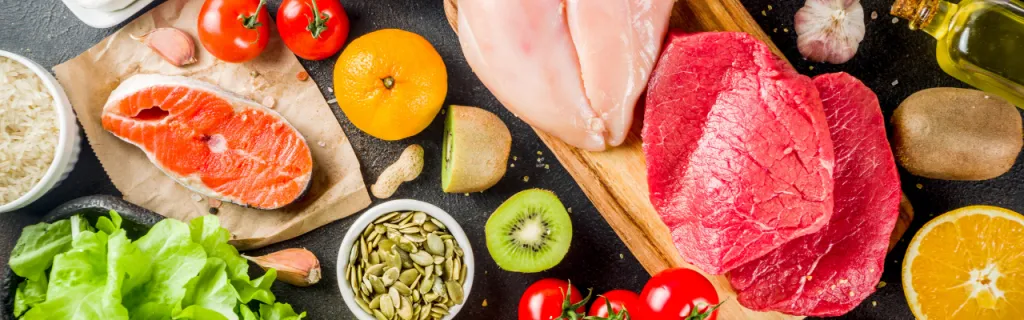
A balanced tennis diet includes all the macronutrients your body needs: carbohydrates, proteins, and healthy fats. The food you eat must maximize your energy stores to meet the demands of a match and support your recovery afterward.
It is equally important to maintain a healthy balance of vitamins and minerals. Choose fresh, whole foods over processed options whenever possible. This is the foundation that separates players who finish strong from those who fade.
Key Nutrition Terms
- Macronutrients
- Carbohydrates, proteins, and fats, the three main fuel sources your body needs in large amounts
- Glycogen
- Stored carbohydrate in muscles and liver, your primary energy reserve during intense play
- Glycemic Index (GI)
- A scale measuring how quickly a food raises blood sugar. High GI foods provide fast energy, while low GI foods sustain you longer
- Electrolytes
- Minerals like sodium, potassium, and magnesium lost through sweat that regulate muscle function and hydration
Carbohydrates
Carbohydrates are your body’s primary fuel source. They power your muscles and organs through every sprint to the net and explosive serve. Before playing, you should consume enough complex carbohydrates to build up your glycogen stores, which is what keeps your body from fatiguing during a long match.
The key is balance. Too many carbs before a match and you will feel sluggish and sleepy. Too few and your glycogen depletes quickly, leaving you flat in the later sets. Higher glycemic index foods like white rice or bananas provide faster energy and are better suited for the hours immediately before and after a match.
Start increasing your carbohydrate intake the evening before a match, not the morning of. Your body needs time to convert those carbs into glycogen stores. A pasta dinner with lean chicken the night before gives your muscles the fuel they need for tomorrow’s play.
Fats
Dietary fats serve as an important energy source during long matches and training sessions, but they should not be your primary fuel for tennis performance. Fat also keeps you feeling full for longer periods, which helps prevent hunger during play.
Fats pack a denser calorie punch at nine calories per gram, compared to four calories per gram for both carbs and protein. For heart health and sustained energy, aim to consume roughly twice as much vegetable fat (olive oil, avocados, nuts) as animal fat. Novak Djokovic’s plant-based diet is a good example of how healthy fats from nuts, seeds, and oils can support elite performance.
Proteins
After a tough match or training session, your muscles need to repair and rebuild. That is where protein comes in. Protein supports muscle growth and maintenance, but it is not designed to be your primary on-court energy source.
For tennis players, protein is most critical during the recovery window between sessions. It helps your body repair muscle tissue so you can return to the court in peak condition. According to research from the International Society of Sports Nutrition, consuming an easily digestible protein source within 30 minutes of finishing play optimizes muscle repair and reduces soreness.
Vitamins
Vitamins play a protective role in your tennis diet. They support your immune system, ensure a healthy metabolism, and help your body recover from the physical stress of competition.
The WTA specifically recommends these vitamins and minerals for tennis players: Vitamin B (energy metabolism), Vitamin C (immune support and tissue repair), Vitamin D (bone health), calcium (bone density), and iron (oxygen transport to muscles). These become especially important during periods of intense training, illness, or injury recovery.
Load up on colorful fruits and vegetables to cover your bases naturally. A diet rich in leafy greens, berries, citrus, and bell peppers will give you most of what you need without relying heavily on supplements.
Fluids
Hydration might be the single most overlooked aspect of tennis nutrition. The combination of high-intensity movement and often brutal heat conditions causes significant sweating and electrolyte loss. Match length is unpredictable, which makes consistent hydration habits even more critical.
Dehydration affects more than just your physical output. It impairs decision-making, slows reaction time, and increases the risk of cramping and injury. If you have ever watched a player struggle in a fifth set under the sun, poor hydration is often a factor.
Keep sports drinks with electrolytes accessible during practices and matches. Take advantage of every changeover to drink, even when you do not feel thirsty.
Weigh yourself before and after a practice session. For every pound lost, drink 16 to 20 oz. of fluid to rehydrate. This gives you a concrete picture of your sweat rate and how much you need to replace. Players like Rafael Nadal are meticulous about their hydration routines, and you should be too.
Pre-Match Nutrition
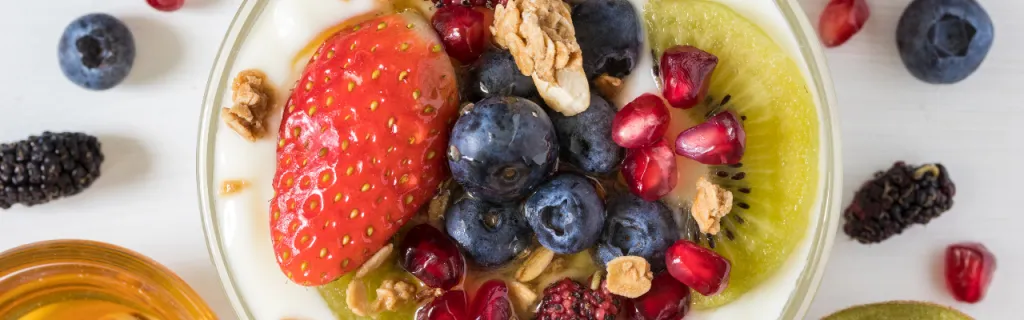
Your pre-match meal sets the tone for everything that follows. The goal is to top off your carbohydrate stores and arrive on court feeling fueled but not heavy.
Start the process the night before. A carbohydrate-rich dinner gives your body time to convert that food into stored glycogen. On match day, eat your main pre-match meal 2 to 4 hours before you play, then supplement with a small snack closer to game time.
What to eat: Nuts, fresh fruit, yogurt, muesli, whole-grain bread, rice, grilled chicken, potatoes, and pasta are all solid options. Your meal should be carb-focused with moderate protein and low fat.
What to avoid: Sugary products can cause an energy spike followed by a crash mid-match. Fatty or fried foods sit heavy and slow digestion. High-fiber foods can cause stomach discomfort during intense play.
Tournament schedules are unpredictable. Matches before yours can run long, or rain delays can push your start time by hours. Always bring extra snacks and drinks so you can maintain your energy no matter what happens. I always tell my students: pack as if your match could start two hours late.
Nutrition During a Match
Tennis matches are often played in the heat, which makes fluid replacement and cooling strategies essential during play. Do not wait until you feel thirsty to drink. By that point, you are already dehydrated. Drink water or a sports drink every changeover, roughly every 15 minutes.
Practical strategies for staying cool and hydrated:
- Fill water bottles with ice and keep them in an insulated bag
- Track your intake with individual bottles so you know exactly how much you have consumed
- Choose drinks with higher sodium content to support effective rehydration
- Apply cool towels to your neck and face during changeovers
- Sit in front of fans during breaks when available
For matches lasting over 90 minutes, you will also need to replenish energy. Many players find it uncomfortable to eat solid food during play because it sits in the stomach. Quick-digesting options like energy gels, sports chews, and banana slices work much better. Carlos Alcaraz, for example, often eats banana slices during changeovers in long matches.
Practice your on-court nutrition during training sessions, not just on match day. Your stomach needs to adapt to processing food during intense exercise. Try different gels, bars, and drinks during practice until you find what works for you without causing discomfort.
Post-Match Nutrition

After a grueling match, your body has lost significant fluid and your muscles are depleted. What you eat and drink in the next few hours determines how quickly you recover, especially if you have another match the next day.
The first 30 minutes are critical. Consume a protein-rich snack or shake immediately after play to jumpstart muscle repair. A recovery drink combining protein and carbohydrates is ideal during this window.
Your post-match meal (within 1 to 2 hours) should include lean protein for muscle recovery, complex carbs to replenish glycogen stores, and plenty of vegetables. Grilled chicken or fish with whole-wheat pasta, brown rice, and a generous serving of vegetables is a reliable post-match option.
Do not overlook the role of antioxidants in recovery. Vitamin E, found in almonds, spinach, and sunflower seeds, can help reduce free radical damage after exercise and speed recovery during tournament play or heavy training cycles. Tart cherry juice is another recovery favorite among professional players for its anti-inflammatory properties.
Training Nutrition
Tennis training can be just as physically demanding as match play, which means your nutrition needs to match the intensity. The key concept here is periodization: adjusting what and how much you eat based on your current training load.
During high-intensity training blocks, your body needs more energy and more carbohydrates. A diet rich in nutrient-dense carbs like sweet potatoes, whole grains, and fruits is essential to sustain performance and support recovery.
During lighter training periods or rest days, scale back your calorie and carbohydrate intake. Your body needs less fuel when the demands are lower, and overfeeding on rest days can lead to unwanted weight gain.
This approach mirrors what you should be doing with your overall fitness program. Just as you periodize your physical training, your nutrition should follow the same rhythm.
Keep a simple log of your training intensity alongside what you eat. Over time, patterns emerge. You will start to notice which meals give you the best energy for hard sessions and which ones leave you flat. Professional players and their nutritionists track this data meticulously.
General Nutrition Advice
Preparation is everything in tennis nutrition, just as it is in your game strategy. Unexpected delays from rain, lengthy matches before yours, or schedule changes can throw off your eating plan if you are not ready.
A well-planned tennis diet does more than just make you feel better. Research consistently shows that proper nutrition has a measurable impact on player performance, endurance, and match results. Choose whole, nutrient-dense foods, stay hydrated with electrolyte-rich drinks, and minimize processed foods. The difference you feel on court will be noticeable.
Your diet also plays a role in injury prevention and your overall health. Players who eat well tend to recover faster, get sick less often, and maintain their mental sharpness deeper into matches.
You are what you eat. Your body is a temple, and you need to treat it with respect.
Extra Resources
If you want to dive deeper into tennis nutrition planning, I recommend checking out the USTA nutrition guide and the ITF nutrition resource. Both organizations provide detailed, research-backed guidance for competitive players at every level.
Frequently Asked Questions
What is Roger Federer's diet?
What is Novak Djokovic's diet?
What do tennis players drink to stay hydrated?
How many carbs should a tennis player eat?
Should I eat during a tennis match?
More in How To Play Tennis

The 10 And Under Tennis Program
Learn how the USTA 10 and under tennis program uses smaller courts, lighter rackets, and low-compression balls to help kids build real skills and love the game.

College Tennis: How To Get Recruited By Your Dream College
Practical guide to getting recruited for college tennis, from UTR ratings to recruiting videos. Tips that actually help you stand out.

Tennis Fitness: Exercises, Drills, and Training That Actually Work
Improve your tennis fitness with exercises for speed, agility, strength, and endurance. HIIT workouts, reaction drills, and recovery tips.

How to Become a Pro Tennis Player
A realistic guide to becoming a professional tennis player, from starting young and getting coached to competing on the Challenger Tour.

8 Science-Backed Health Benefits of Playing Tennis
Tennis cuts cardiovascular mortality by 56%, builds bone density, burns 400-600 cal/hr, and sharpens your brain. Here are 8 proven health benefits of playing tennis.

How To Make Your High School Tennis Team | 5 Tryout Tips From a Coach
A tennis coach breaks down exactly what tryout coaches look for and how to prepare your strokes, fitness, doubles game, and mental toughness.