
The 10 And Under Tennis Program
The 10 and under tennis program is a USTA-designed framework that uses smaller courts, lighter rackets, and low-compression balls to teach kids real tennis skills at their own pace.
Planning Long-Term
Most kids pick up a racket dreaming of becoming the next Roger Federer or Serena Williams. That’s a great motivator, but the real goal at this stage is building athletic coordination, solid technique, and a genuine love for the game. Those foundations matter far more than winning trophies at age seven.
I’ve coached kids who started at four and others who didn’t touch a racket until twelve. Both groups can thrive when they’re placed in the right environment. The key is matching your child’s age, physical development, and interest level with a program that challenges without overwhelming them.
Understanding how these programs work gives you a real advantage as a tennis parent. The right fit early on can mean the difference between a child who plays for life and one who burns out before middle school.
Play is the highest form of research.
Finding the Right Program
Three factors matter most when choosing a program for your child: age, ability level, and genuine interest. A child who begs to play every day needs a different path than one who’s curious but cautious.
There is no single perfect age to start. I’ve worked with players who began at three and others who picked up the sport as teenagers. Both can develop into strong players. That said, younger children tend to build proper muscle memory and movement habits more naturally, simply because they haven’t yet developed compensating patterns.
Modern youth tennis has evolved significantly. Programs now use balls that vary in size, weight, and compression, progressing kids through graduated difficulty levels. Research consistently shows this approach produces better long-term results than handing a six-year-old a standard yellow ball and expecting them to cope.
Age-Appropriate Equipment
Finding the right junior racket used to mean choosing between two or three options. Today, manufacturers produce rackets precisely sized for every age group and physical build, making proper equipment more accessible than ever.
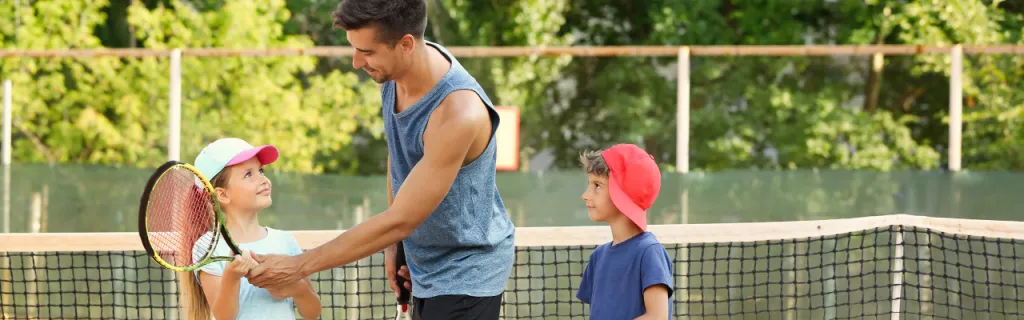
A qualified coach can help match your child with the right racket length, weight, and grip size. String technology has advanced too, with softer, more forgiving strings designed specifically for junior players still developing their strokes.
A racket that’s too heavy or too long forces kids to compensate with poor mechanics. They swing late, develop wrist strain, and get frustrated. The simplest test: have your child hold the racket by the handle with their arm at their side. If the racket head touches the ground, it’s the right length. If it drags or hovers well above, size up or down.
The 10 and under program adjusts more than just rackets. Court dimensions are smaller, nets are lower, and the balls are larger with less compression. Lower-compression balls don’t bounce as high, keeping them in a young player’s strike zone and giving them more chances to rally.
The color-coded balls also serve a coaching purpose. The two-tone coloring makes spin visible. When a child hits topspin, they can actually see the ball rotating forward. That instant visual feedback accelerates learning in ways a standard yellow ball simply cannot.
As players progress through each level, from red to orange to green to yellow, the transition to adult equipment happens gradually. This stepped approach builds confidence and competence at each stage rather than overwhelming kids with the full game too soon.
The USTA’s 10 and Under Tennis Program
The USTA created the 10 and Under Tennis program around a simple insight: kids who have fun keep playing. When you hand a five-year-old a full-sized racket on a 78-foot court, the game feels impossible. Nothing goes over the net. They lose interest fast.
By scaling the equipment and court to the child’s body, the program lets young players rally, compete, and experience real tennis from day one.
10 and Under Tennis Formats
Red Ball
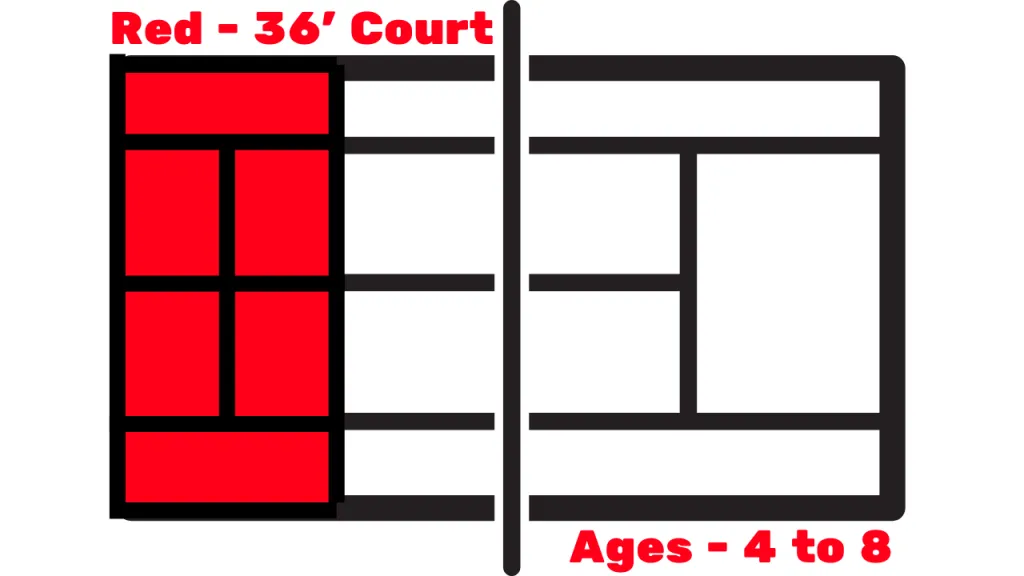
Red balls have the lowest compression, which means they bounce lower and travel slower through the air. This gives beginners time to set up and take a proper swing. Courts at this level use only the space between the service line and the baseline, turned sideways. You can fit two red-ball courts on a single standard court, which means more kids playing at once.
Orange Ball
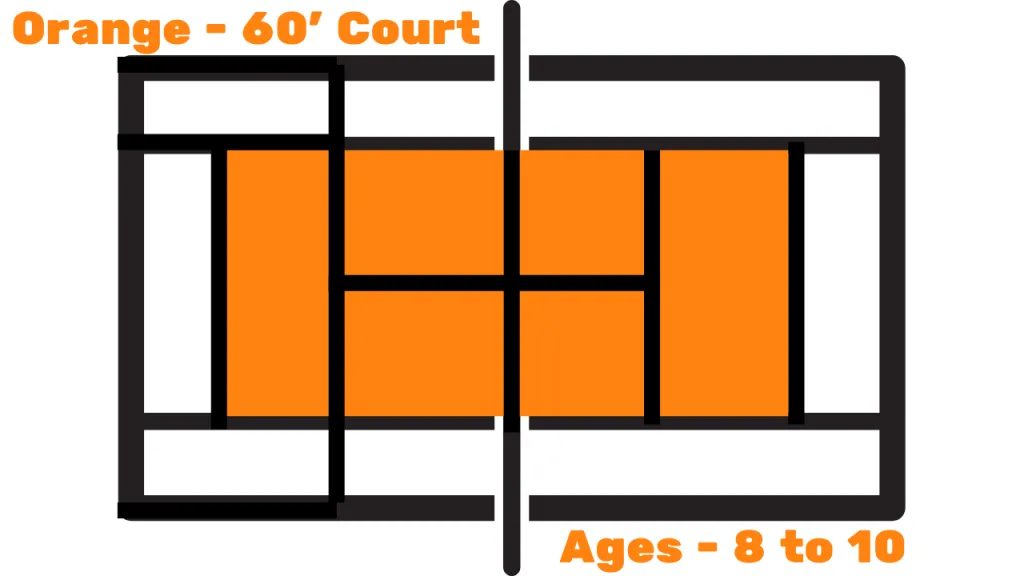
Orange balls travel faster and bounce higher than red balls but still stay below standard yellow ball levels. This is where kids start developing longer rallies and learning to direct the ball with intention. The court expands to 60 feet, introducing them to more movement and court coverage.
Green Ball
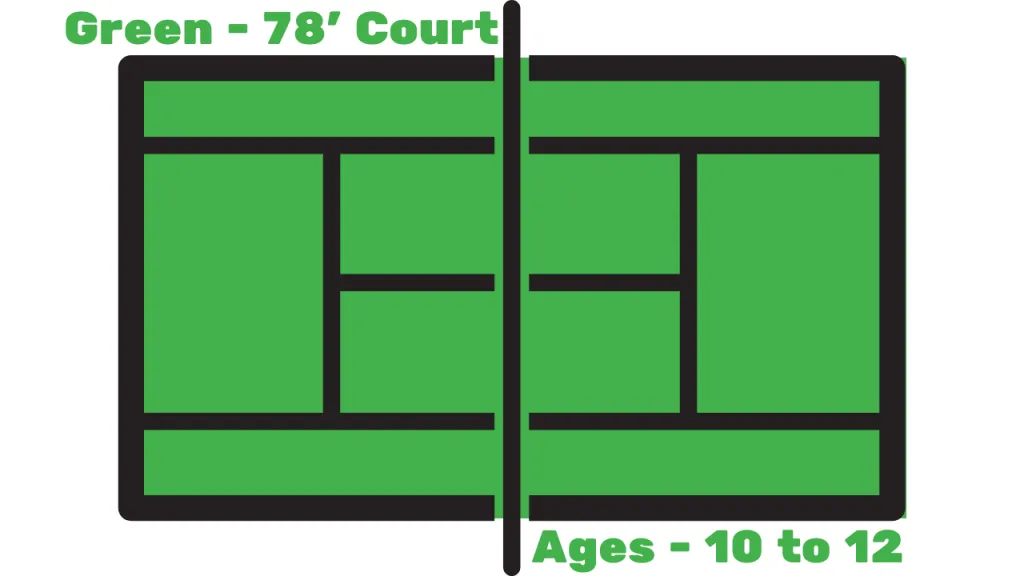
The green ball looks and feels close to a standard yellow ball but has about 25% less compression. It bounces lower off the court surface, giving players one more transitional step before the full game. At this level, kids play on a full 78-foot court and start learning adult scoring patterns.
Yellow Ball
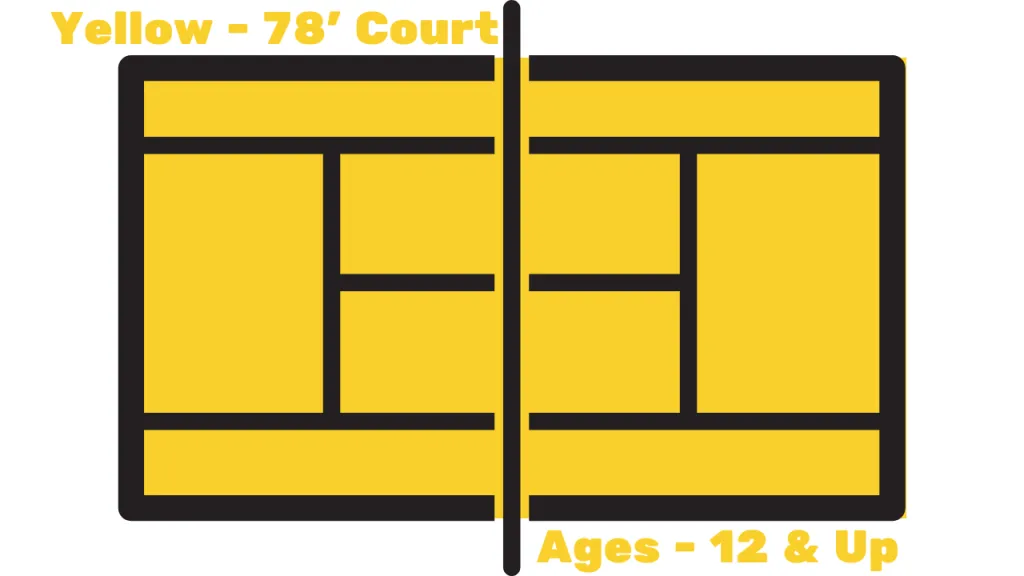
The yellow level is traditional tennis. Standard balls, full courts, and regulation rackets. Players who have progressed through red, orange, and green arrive here with better technique and court awareness than those who skipped the developmental stages.
Don’t rush your child through the ball levels. I’ve seen parents push kids to yellow balls too early because they think it shows progress. In reality, spending an extra six months on orange or green balls builds deeper stroke mechanics and court awareness. The players who take their time through the system almost always develop better long-term games.
USTA Junior Tennis Levels
Once your child outgrows the 10 and Under program, the USTA organizes competitive play into five age divisions. Each level progressively introduces standard equipment and more formal scoring.
10 and under: Smaller courts (36’x18’), lighter rackets, and low-compression balls. Scoring uses short sets with no-ad format, where the first player to four points wins the game. This keeps matches short and fun.
12 and under: Full-sized courts (78’x27’) but with low-compression balls that produce less pace and spin. Short sets played to four games with no-ad scoring give players a taste of competitive structure.
14 and under: Full-sized courts with standard-compression balls. This is where the game starts to feel like adult tennis. Sets use regular ad scoring, and matches are best of three sets.
16 and under: Experienced junior players competing on full courts with standard equipment. Best-of-three-set matches with regular scoring. Players at this level are typically training multiple times per week.
18 and under: The highest USTA junior level. Full regulation everything. Players here often aspire to college tennis scholarships or professional careers.

How Junior Tennis Rankings Work
If your child wants to compete beyond local events, understanding the ranking system helps you plan a path forward. There are four main pathways:
- USTA-sanctioned tournaments: The most direct route. These events are organized by age and ability level, and results feed directly into national rankings.
- USTA League: A team-based format offering local and national competition. Great for players who enjoy the team dynamic.
- High school tennis: Not every school has a team, but those that do typically compete in leagues that contribute to rankings.
- College tennis: NCAA programs at the Division I, II, and III levels offer competitive pathways that can further build a player’s ranking profile.
Participating in any combination of these builds a competitive record that opens doors, whether your child’s goal is a college scholarship, national recognition, or simply measuring their progress against peers.

Tips for Improving Your Child’s Game
Start with the fundamentals. Three areas make the biggest difference:
- Equipment: Make sure your child’s racket is sized correctly for their height and strength, with appropriate string tension. A racket that’s too heavy or poorly strung will hold them back.
- Technique: Proper grip and footwork are the building blocks of consistent shots. These are best developed with a qualified coach who can spot and correct issues early.
- Practice consistency: Even 15 minutes a day hitting balls against a wall or rallying with a friend builds muscle memory. Consistency beats intensity at this age.
Beyond the technical side, instill good sportsmanship. Winning matters, but learning to handle losses gracefully builds the mental toughness that separates good players from great ones. The kids who learn to shake hands after a tough loss are the ones who keep improving.
Additional Resources
Visit the USTA’s youth tennis page for more details on the 10 and Under Tennis program, including how to find local programs and certified coaches near you. You can also explore our guide to tennis academies if your child is ready for more intensive training.
Frequently Asked Questions
What age do most tennis players start?
How much tennis should a ten-year-old play?
What age is junior in tennis?
How can I improve my kid's tennis game?
What are the various levels in the USTA junior tennis circuit?
How do you get ranked in junior tennis?
How many tennis tournaments should a junior play in?
More in How To Play Tennis
College Tennis: How To Get Recruited By Your Dream College
Practical guide to getting recruited for college tennis, from UTR ratings to recruiting videos. Tips that actually help you stand out.

Tennis Nutrition: What to Eat Before, During & After a Match
Fuel your tennis game with the right nutrition. Pre-match meals, on-court hydration, post-match recovery foods, and what the pros actually eat.
Tennis Fitness: Exercises, Drills, and Training That Actually Work
Improve your tennis fitness with exercises for speed, agility, strength, and endurance. HIIT workouts, reaction drills, and recovery tips.
How to Become a Pro Tennis Player
A realistic guide to becoming a professional tennis player, from starting young and getting coached to competing on the Challenger Tour.

8 Science-Backed Health Benefits of Playing Tennis
Tennis cuts cardiovascular mortality by 56%, builds bone density, burns 400-600 cal/hr, and sharpens your brain. Here are 8 proven health benefits of playing tennis.
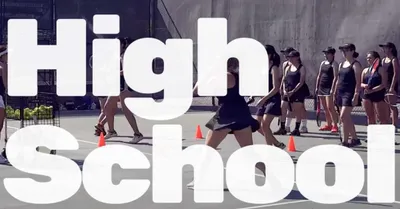
How To Make Your High School Tennis Team | 5 Tryout Tips From a Coach
A tennis coach breaks down exactly what tryout coaches look for and how to prepare your strokes, fitness, doubles game, and mental toughness.