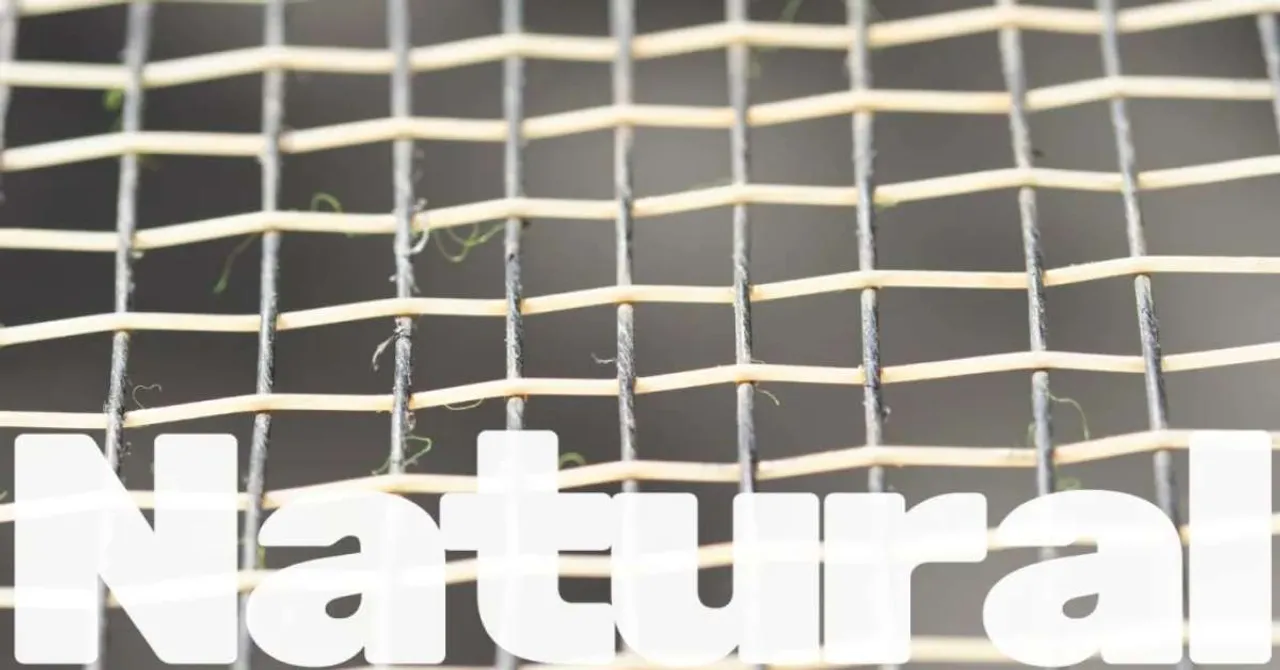
Natural gut remains the gold standard for tennis string performance, delivering a combination of power, comfort, and tension retention that no synthetic material has been able to match.
Every professional tour player has either played with gut or seriously considered it. The material, made from bovine serosa (cow intestine lining), has a molecular structure that stretches and recovers in ways that synthetic strings simply cannot replicate. I have strung hundreds of rackets with gut over my coaching career. The feedback from players switching from synthetic to gut is almost universally the same: “Why did I wait so long?”
This guide covers the three best natural gut strings available, explains who benefits most from gut, and helps you decide whether the investment makes sense for your game. If you are weighing gut against synthetic options, the comparison section below breaks down the key differences.
1Top Pick$$$
Wilson Natural Gut
The best overall natural gut string, combining exceptional comfort with improved durability
Best for
Players who want the classic gut feel with modern durability
The best all-round natural gut string with a modern durability coating that extends string life
Best for: Intermediate to advanced players seeking comfort and arm protection
Wilson’s Natural Gut is crafted from the highest quality beef serosa, producing a string that feels uniform and responsive across the entire string bed. The enhanced durability coating is a genuine improvement over earlier versions, extending string life without sacrificing the core gut experience. Tension retention outperforms every synthetic string on the market.
If your primary concern is arm comfort, this is the string to try first. Strung as a full bed, it delivers a level of plush feel that makes even stiff racket frames play comfortably. It also works beautifully as the cross string in a hybrid setup with a polyester main.
I have recommended Wilson Natural Gut to several students dealing with elbow problems, and the results speak for themselves. The shock absorption is dramatically better than any multifilament synthetic. Players who switch often report that arm soreness they attributed to age or overuse was actually a string problem all along.
Best for: Players who prioritize arm comfort and want the most reliable gut string available.
Wilson’s offering is the practical choice for most club players, but if you are willing to pay more for the purest possible feel, the next string takes things a step further.
The iconic tour string, offering the purest natural gut feel with advanced humidity protection
Best for: Competitive players and those who want the absolute best feel
Babolat VS Touch is the natural gut that most ATP and WTA professionals reach for. Players like Pete Sampras and more recently Stefanos Tsitsipas have trusted Babolat gut for its unmatched ball connection and responsiveness. The Thermogut coating addresses one of gut’s traditional weaknesses by protecting against humidity, and the BT7 layering technology adds structural durability.
What sets VS Touch apart is how well it performs at higher tensions. Where many strings lose their sweet spot above 58 pounds, the VS Touch maintains a generous hitting zone and a lively response. For players who like to string tight for control, this is a significant advantage.
The 17-gauge (1.25mm) thickness makes VS Touch more responsive but less durable than 16-gauge alternatives. If you are a heavy topspin player who breaks strings quickly, consider the Wilson Natural Gut or Luxilon option instead. For flat to moderate topspin players, the VS Touch is worth every penny.
Best for: Competitive players who demand the absolute best feel and do not mind paying for it.
For players who love gut but worry about breaking strings too quickly, there is a third option that prioritizes longevity.
The most resilient natural gut string, built with tour-level engineering for extended string life
Best for: Hard hitters and string breakers who want gut performance with better durability
Luxilon, best known for polyester strings like ALU Power, brought its tour-level engineering expertise to natural gut. The result is a string that prioritizes durability without abandoning the core gut experience. The serosa fibers provide the elasticity and shock absorption you expect from gut, while Luxilon’s construction techniques extend string life beyond what Wilson or Babolat typically offer.
This is the gut string I recommend for hybrid setups. Pair it in the crosses with a co-poly main like Luxilon ALU Power, and you get the comfort and power of gut combined with the spin and durability of polyester. The tension maintenance is remarkable, holding steady longer than any synthetic alternative.
If you have avoided natural gut because you break strings too often, Luxilon’s version is worth trying. It will not match polyester for longevity, but it significantly closes the gap while delivering the comfort and feel that only gut provides.
Best for: Players who want gut performance with the best available durability, especially in hybrid setups.
Full Bed vs. Hybrid Setup
A full bed of natural gut delivers maximum comfort and feel but costs more and breaks faster. A hybrid setup with gut in the crosses and polyester in the mains gives you 80% of the gut feel at roughly 60% of the cost, with significantly better durability. Most tour pros use hybrids for exactly this reason.
Natural Gut vs. Synthetic Strings
Natural Gut
Best power and elasticity
Superior arm comfort
Excellent tension retention
Premium price ($40-60)
10-20 hours of play
Multifilament
Good power, less than gut
Good comfort, close to gut
Moderate tension retention
Mid-range price ($15-25)
15-25 hours of play
Polyester
Moderate power
Stiff and less comfortable
Poor tension retention
Budget-friendly ($8-20)
20-40 hours of play
Why Choose Natural Gut?
Power and Elasticity
Natural gut generates more power than any other string material. The collagen fibers stretch and snap back with a trampoline effect that synthetic materials cannot fully replicate. Roger Federer famously relied on gut crosses throughout his career for exactly this reason. This natural elasticity means you get more ball speed with less effort, which is particularly valuable as matches wear on and fatigue sets in.
Arm Comfort
Gut is the most arm-friendly string available. Its natural flexibility absorbs vibration and shock at contact, reducing stress on the wrist, elbow, and shoulder. If you play three or more times per week, or if you have any history of arm issues, gut can make a meaningful difference in how your arm feels after a session.
Tension Retention
This is where gut truly separates itself from synthetics. A polyester string can lose 20 to 30 percent of its tension within the first 24 hours after stringing. Natural gut holds tension dramatically better, maintaining playability for weeks rather than days. Your racket feels consistent from the first hit to the last.
When Gut Makes the Biggest Difference
Natural gut has the largest impact for players who string at higher tensions (58+ pounds) and play multiple times per week. The tension retention advantage means your racket plays consistently all week instead of feeling dead by Thursday. If you only play once a week at moderate tension, you may not notice enough difference to justify the cost.
How to Choose the Right Natural Gut String
Gauge Selection
Natural gut is available in 16 gauge (1.30mm) and 17 gauge (1.25mm). The 16-gauge provides better durability and a slightly firmer feel. The 17-gauge offers more power and touch but breaks sooner. For most intermediate players, 16-gauge is the practical choice. Advanced players who value feel over longevity should try 17-gauge.
Full Bed vs. Hybrid
A full bed of gut in both mains and crosses maximizes comfort and feel. A hybrid with gut crosses and polyester mains blends gut comfort with poly durability and spin. If budget is a concern, start with a hybrid setup to experience gut without committing to the full cost.
Climate Considerations
Natural gut is sensitive to moisture. If you play outdoors in humid conditions, look for strings with moisture-resistant coatings like the Babolat VS Touch’s Thermogut technology. Store your racket in a dry environment and consider a racket bag with climate protection. Indoor players have fewer concerns about humidity degradation.
String Tension
Gut holds tension better than any synthetic, so you can string slightly lower than your usual tension without losing control. Start at the midpoint of your racket’s recommended range and adjust based on feel. Most players settle between 55 and 62 pounds with gut.
Save Money on Natural Gut Beginner
Buy natural gut in bulk sets when retailers run sales, typically during holiday periods. You can also reduce cost by using gut only in the crosses of a hybrid setup with affordable polyester strings in the mains. This gives you most of the gut benefit at roughly half the stringing cost.
Final Thoughts
Natural gut is a premium investment that rewards players who value feel, comfort, and consistent performance. The Wilson Natural Gut is our top recommendation for its balance of quality and improved durability. Competitive players who want the absolute purest feel should try the Babolat VS Touch. And players who prioritize longevity or want gut for hybrid setups should look at the Luxilon Natural Gut.
If you have never tried gut, start with a hybrid setup using gut in the crosses. This gives you a taste of the gut experience without the full cost commitment. Once you feel the difference in power, comfort, and tension retention, you may find it hard to go back to synthetics. Pair your gut strings with the right racket and a comfortable overgrip, and your setup will reward you for every hour on court.
As an Amazon Associate we earn from qualifying purchases.
Frequently Asked Questions
How long do natural gut tennis strings last?
Natural gut typically lasts 10 to 20 hours of play, depending on your swing speed and spin production. Flat hitters get more life from gut than heavy topspin players. While gut is not as durable as polyester, it outlasts most multifilament synthetics and holds tension far better over its lifespan.
Are natural gut tennis strings expensive?
Yes, natural gut costs roughly two to three times more than premium synthetic strings, usually $40 to $60 per set. The trade-off is superior feel, power, and tension retention that no synthetic can match. Many players find the performance difference justifies the cost, especially for match play.
How do I maintain my natural gut tennis strings?
Keep your racket in a climate-controlled environment and avoid leaving it in a hot car or damp bag. Wipe the strings with a dry cloth after playing in humid conditions. Some players apply a thin coat of string sealant to extend gut life, though this is optional.
What tension should I use for natural gut strings?
Most players string natural gut between 55 and 62 pounds. Gut holds tension better than synthetics, so you can string slightly lower than your usual tension and still maintain control. Start at the middle of your racket's recommended range and adjust from there.
Is natural gut made from cat gut?
No. Natural gut tennis strings are made from the serosa lining of bovine (cow) intestines. It takes the tissue from approximately two cows to produce enough material for one racket. The 'catgut' name is a historical misnomer with no basis in reality.
What makes natural gut so special?
The collagen fibers in bovine serosa form a triple-helix structure that is naturally elastic and resilient. This molecular architecture gives gut strings their unique combination of power, comfort, and tension stability. No synthetic material has been able to fully replicate the way collagen stretches and recovers under repeated impact.