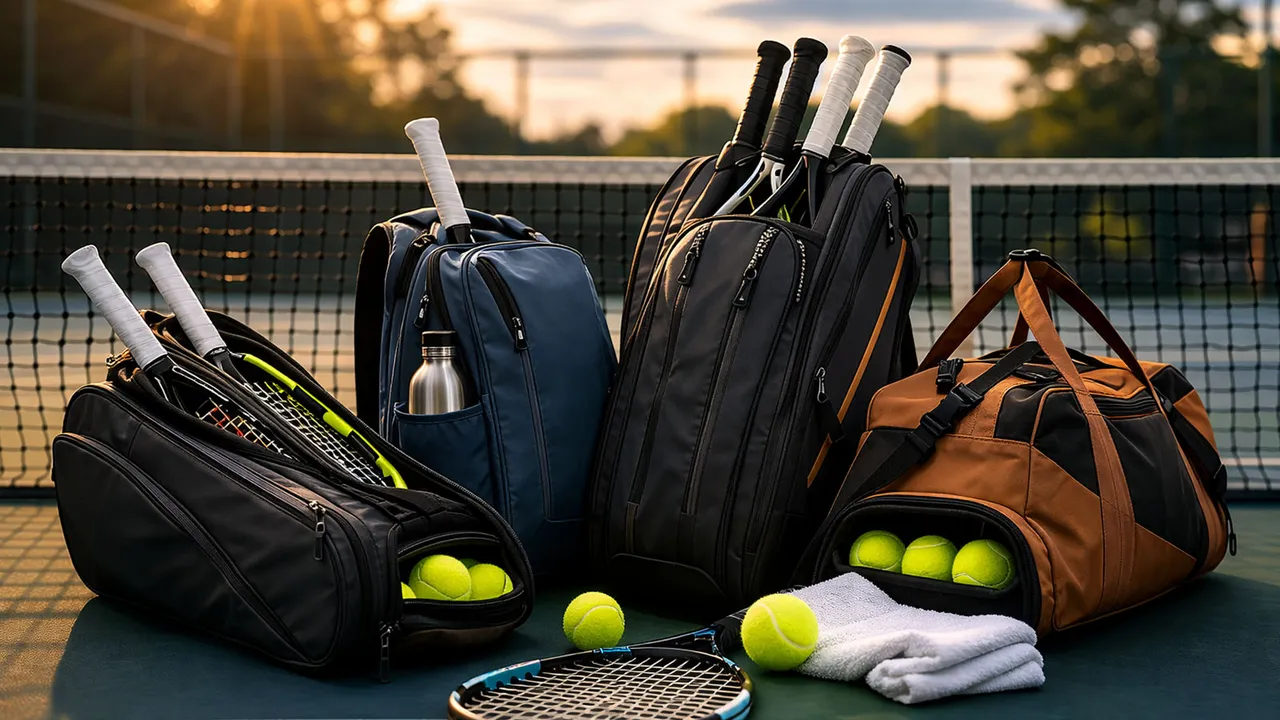
A good tennis bag keeps your rackets protected, your gear organized, and makes getting to the courts hassle-free. Whether you are a weekend player who needs a simple backpack or a competitive league player carrying multiple frames, there is a bag built for how you play. Below, we break down the best tennis bags across every category, from backpacks and totes to full-sized tour bags, and help you pick the right one for your game.
1Top Pick$
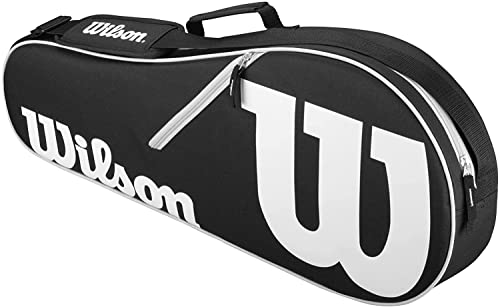
Wilson Advantage II
Best all-round 3-racket bag with exceptional value
Best for
Club players who want simple, reliable gear storage
If you walk, bike, or take public transit to the courts, a tennis backpack is the most practical option. Backpacks distribute weight across both shoulders, leave your hands free, and fit easily in lockers or car trunks. Most hold two to three rackets alongside your essentials. Look for padded straps, a dedicated racket sleeve, and enough pocket space for balls, a water bottle, and your phone.
A 3-racket bag is the sweet spot for most recreational and club players. You get enough room for a couple of rackets, a change of clothes, and your court accessories without carrying extra bulk. These bags tend to be lighter and more affordable than larger options, making them a practical everyday choice.
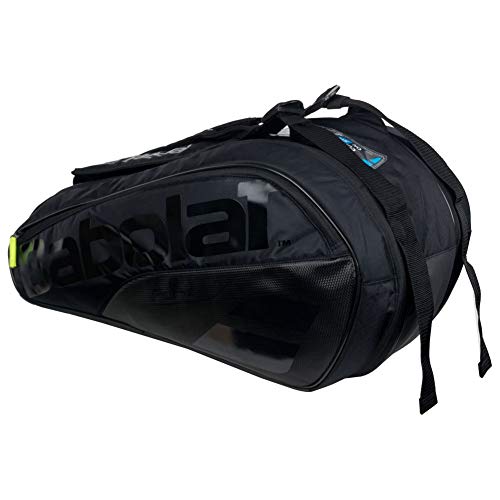
If you carry multiple rackets with different string setups or you simply need more room for shoes, towels, and extra clothing, a 6-racket bag is the way to go. The better ones include thermal lining to protect your strings from heat, which matters if you leave your bag in a hot car between sessions. I recommend this size for competitive league players who play several times a week.
If you leave your bag in the car during summer, the heat can warp your racket frame and destroy your string tension in a single afternoon. Always bring your bag inside, or at the very least, keep it in the shade with the trunk cracked open.
Best 9+ Racket Tennis Bags
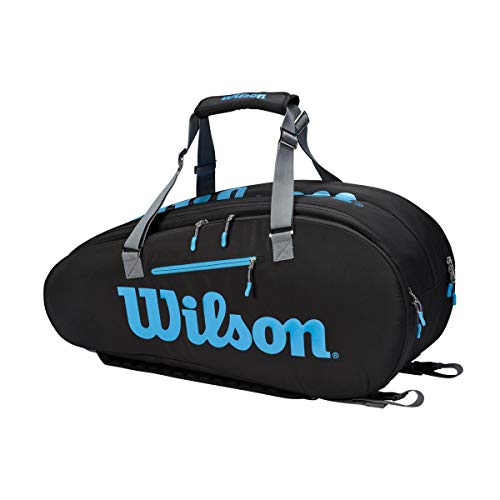
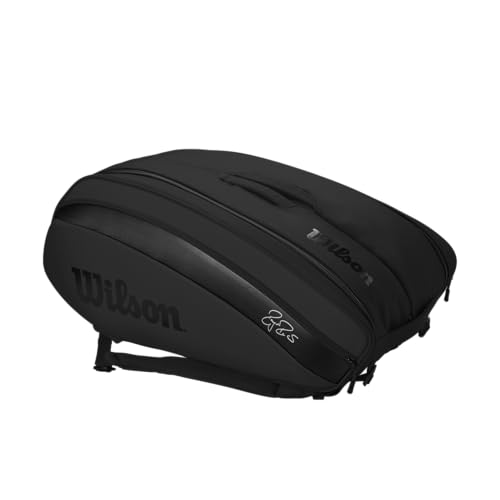
These are the bags you see on the professional tour. Players like Carlos Alcaraz and Iga Swiatek carry 9-12 racket bags because they need multiple frames strung at different tensions, plus room for shoes, clothing changes, and nutrition. For most of us, a bag this size makes sense if you coach or play competitively at a high level. Expect thermoguard lining, multiple compartments, and premium materials at this price tier.
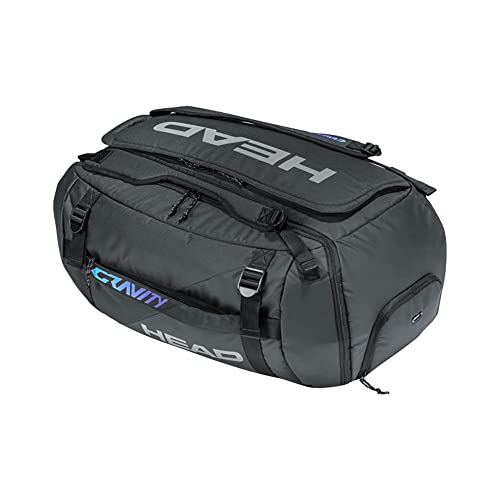
Duffel bags are a versatile alternative to traditional racket bags. They work well if you want one bag for tennis and travel, or if you prefer the wide-open packing style over structured compartments. You will see tour players like Alexander Zverev carrying a duffel alongside their racket bag for extra clothing, warm-ups, and shoes. Look for a water-resistant base and ventilated pockets to keep things fresh.
Tennis totes combine court functionality with everyday style. They are popular with players who want a bag that looks good off the court too. Most tennis totes include dedicated racket pockets, zippered compartments for valuables, and enough room for a change of clothes. If style matters as much as function, this is your category.
Backpacks are the most practical choice for recreational players. They hold 1-3 rackets, distribute weight evenly, and leave your hands free. If you walk or bike to the courts, start here.
3-6 racket bags are the standard for regular club players. The 3-pack works if you carry one or two rackets plus essentials. Step up to a 6-pack if you need a dedicated shoe compartment and thermal protection for your strings.
9-12 racket bags are designed for competitive players, coaches, and touring professionals. They offer multiple compartments, thermoguard lining, and premium build quality. The trade-off is weight and bulk when fully loaded.
Duffel bags are a versatile crossover option that works for tennis, the gym, and travel. Many tour players carry one alongside their racket bag for extra gear.
Tote bags blend court functionality with everyday style. They typically fit 1-2 rackets in a dedicated pocket and offer enough room for clothes and accessories.
Key Features to Consider
Racket capacity: Match the bag to the number of rackets you actually carry. Most recreational players need room for 1-3 rackets, not 12.
Thermal lining: If you leave your bag in a hot car or play in extreme weather, thermoguard-lined compartments protect your strings from losing tension. This is especially important if you play with natural gut or expensive polyester setups.
Shoe compartment: A ventilated shoe pocket keeps dirty court shoes separate from clean clothes. Trust me, this matters more than you think after a few sweaty sessions.
Portability: Padded backpack straps are the most comfortable for long walks. Single shoulder straps work for short trips. Wheelie bags are worth considering if you travel for tournaments regularly.
Durability: Your bag sits on hard courts, gets tossed in car trunks, and takes daily wear. Look for reinforced bases, heavy-duty zippers, and thick fabric if you play multiple times per week.
Budget: You do not need the most expensive bag to get good quality. A well-made $50 backpack or 3-racket bag will last years. Invest more if you need thermal protection, extra capacity, or premium materials.
Coach's Tip Beginner
Not sure which size to get? Start with a backpack or 3-racket bag. Most recreational players overestimate how much gear they need. You can always upgrade once you know your actual routine.
FAQs
Can I Use a Regular Backpack As a Tennis Bag?
You can, but a dedicated tennis backpack is a better choice. Tennis backpacks have padded racket compartments that protect your strings and frame, plus purpose-built pockets for balls, water bottles, and accessories. A standard backpack leaves your racket handle sticking out and offers no protection from bumps or weather.
Why Are Tennis Bags Insulated?
Insulated (thermoguard) compartments protect your racket strings from extreme heat and cold. Natural gut and polyester strings lose tension faster when exposed to high temperatures, which means your racket plays differently from session to session. Thermal lining helps preserve your string job, especially if you leave your bag in a hot car.
How Should I Carry a Tennis Bag?
Bags with two padded backpack straps distribute weight evenly and are the most comfortable option, especially if you walk or cycle to the courts. Single-strap shoulder bags work for short distances but can strain one shoulder over time. If you carry a lot of gear, look for a bag with both options so you can switch depending on the situation.
How Should I Clean My Tennis Bag?
Use a soft-bristled brush with mild soap and water, scrubbing in circular motions. Rinse thoroughly and air dry completely before packing it again. For stubborn odors, sprinkle baking soda inside and leave it overnight before brushing it out. Avoid machine washing, as it can damage zippers, padding, and structural support.
What Tennis Bags Do Tennis Pros Use?
Most tour players carry a large 12-15 racket bag from their sponsor, typically Wilson, HEAD, Babolat, or Yonex. Carlos Alcaraz carries a Babolat Pure Aero 12-pack, while Jannik Sinner uses a HEAD bag. They need that capacity for 6-8 rackets strung at different tensions, plus spare shoes, towels, nutrition, and clothing changes during a match.
How Much Does a Tennis Bag Cost?
Tennis backpacks and smaller 3-racket bags typically run $30 to $80. Mid-range 6-racket bags with thermal lining cost $60 to $120. Premium 9-12 racket bags from Wilson, HEAD, and Babolat range from $120 to $200.
Final Thoughts
The right tennis bag makes your life easier before and after every session. Match the bag to the amount of gear you carry, how you get to the courts, and whether you need thermal protection for your strings. If you are just starting out, a quality backpack or 3-racket bag is all you need. You can always upgrade as your game and gear collection grow.
As an Amazon Associate we earn from qualifying purchases.
Frequently Asked Questions
Can I use a regular backpack as a tennis bag?
You can, but a dedicated tennis backpack is a better choice. Tennis backpacks have padded racket compartments that protect your strings and frame, plus purpose-built pockets for balls, water bottles, and accessories. A standard backpack leaves your racket handle sticking out and offers no protection from bumps or weather.
Why are tennis bags insulated?
Insulated (thermoguard) compartments protect your racket strings from extreme heat and cold. Natural gut and polyester strings lose tension faster when exposed to high temperatures, which means your racket plays differently. Thermal lining helps preserve your string job between sessions, especially if you leave your bag in a hot car.
How should I carry a tennis bag?
Bags with two padded backpack straps distribute weight evenly and are the most comfortable option, especially if you walk or cycle to the courts. Single-strap shoulder bags work for short distances but can strain one shoulder over time. If you carry a lot of gear, look for a bag with both backpack and shoulder strap options so you can switch depending on the situation.
How should I clean my tennis bag?
Use a soft-bristled brush with mild soap and water, scrubbing in circular motions. Rinse thoroughly and air dry completely before packing it again. For stubborn odors, sprinkle baking soda inside and leave it overnight before brushing it out. Avoid machine washing, as it can damage zippers, padding, and structural support.
What tennis bags do professional players use?
Most tour players carry a large 12-15 racket bag from their sponsor, typically Wilson, HEAD, Babolat, or Yonex. Carlos Alcaraz carries a Babolat Pure Aero 12-pack, while Jannik Sinner uses a HEAD bag. They need that capacity for 6-8 rackets strung at different tensions, plus spare shoes, towels, nutrition, and clothing changes during a match.
How much does a tennis bag cost?
Tennis backpacks and smaller 3-racket bags typically run $30 to $80. Mid-range 6-racket bags with thermal lining cost $60 to $120. Premium 9-12 racket bags from Wilson, HEAD, and Babolat range from $120 to $200.