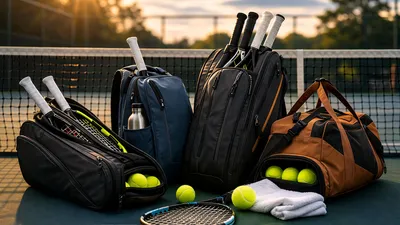
Tennis accessories go far beyond rackets and balls. The right gear in your bag can keep you comfortable, healthy, and performing at your best through long matches and practice sessions.
A match can stretch well past two hours, and conditions change constantly. Your overgrip loses tack in the heat, your strings snap mid-set, your shoes wear through after weeks of hard court play. The players who come prepared for these situations are the ones who stay focused when it matters.
I’ve put together this list of 35 essential tennis accessories that I recommend to my students and fellow players. Whether you’re building your first tennis bag or restocking a well-worn one, you’ll find everything from racket essentials to recovery gear below.
1Top Pick$
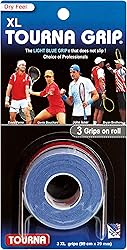
Tourna Grip XL Original Dry Feel
The go-to overgrip for sweaty hands, trusted by Pete Sampras and hundreds of touring pros
Everything related to your racket setup. A properly maintained racket is the foundation of your game, and carrying the right backup gear means a broken string or worn grip never ends your session early.
Rackets
If you play regularly or compete, carrying a backup racket is non-negotiable. Strings break at the worst possible moments, and you don’t want a snapped string to end your session. I always tell my students to carry at least two rackets in their bag. For our complete breakdown, see our best tennis rackets guide.
Also worth considering: the Wilson Clash 100 for its arm-friendly flex, and the Yonex Ezone 98 for its comfort and control.
Strings
Strings break faster than most players expect, especially if you hit with heavy topspin. Keep an extra set or two of your favorite string on hand so you can get to your stringer quickly after a break. If you go through strings often, buying a reel saves money in the long run. Players who string their own rackets with a stringing machine save even more. See our full tennis strings guide for more.
A vibration dampener sits between your strings and absorbs the shock of ball contact. It changes both the feel and the sound of the hit, giving you a more muted, solid sensation instead of a harsh ping. Many players find that dampeners reduce discomfort in the arm, though they won’t prevent tennis elbow on their own.
An overgrip wraps over your base grip to improve sweat absorption and tack. The stock grip that comes with most rackets doesn’t handle moisture well, and even the best overgrips lose their stickiness after a few hours of play in hot, humid conditions. I go through one or two per session in summer. Keep a pack in your bag so you’re never stuck with a slippery handle. See our full overgrips guide for more options.
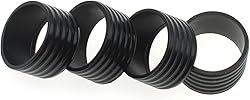
Anti-slip rings slide onto the butt cap of your racket and hold your overgrip firmly in place. You know that moment when the adhesive tape at the base of the overgrip peels off mid-rally? These rings eliminate that problem entirely. A small investment for real peace of mind.
Adding lead tape to your racket is one of the simplest ways to customize it to your playing style. By placing strips at different positions on the frame, you can add mass, increase swing weight, or shift the balance point. Windy conditions, for example, might call for a heavier setup to maintain stability on contact.
A scorekeeper attaches to the inside or outside of your racket throat and tracks points, games, and sets at a glance. It also tells you which side of the court to serve from. At under 2 grams, these devices don’t affect your racket’s balance, and they’re fully ITF-legal. If you’ve ever had a score dispute during a friendly match, you know how valuable this little accessory can be.
The essentials you need on court day, from the balls you play with to the clothes you wear. Having backups of these items means you’re never caught off-guard by a popped lace, soaked shirt, or flat ball can.
Balls
Always keep a can or two of tennis balls in your bag, even if they aren’t fresh out of the can. You don’t want to be the player who always relies on someone else to bring them to court. See our tennis balls guide for a deeper comparison.
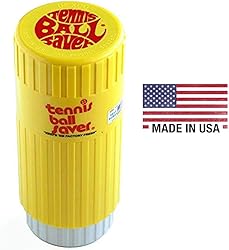
Tennis ball savers are pressurized tubes that keep your balls bouncy between sessions. If you play a few times a week, a ball saver pays for itself quickly. You’ll get two to three times more life out of each can instead of watching them go flat after a couple of sessions.
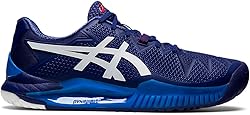
Having a backup pair of tennis shoes in your bag is smart planning. Shoes wear out gradually, and the day they finally give out is never convenient. I go through a pair every three to four weeks because the outsole rubber grinds down on hard courts until I have zero traction left. For a deeper comparison, see our best tennis shoes guide.
This happens more often than you’d think. You’re in the middle of a tight match, you bend down to retie your shoe, and the lace snaps. Keep a spare pair in your bag so a broken lace never costs you momentum.
Getting out of your tennis shoes after a long match or practice session is always a relief. Keep a pair of flip-flops, recovery sandals, or comfortable sneakers in your bag so you can let your feet breathe immediately after playing.
Good athletic socks prevent blisters, reduce swelling, and keep your feet dry. Switching from sweaty socks to a fresh pair at a changeover or between sets can feel like a reset for your feet. I always carry at least one extra pair. For more options, see our tennis clothing guide.
Most competitive players carry one or two extra shirts in their bags. Changing into a dry shirt during a match can genuinely give you a psychological boost. Players like Novak Djokovic and Rafael Nadal do it routinely during changeovers, and there’s a reason for that: feeling fresh helps you play with more confidence.
On hot days, wristbands soak through fast and turn into soggy cloths that do more harm than good. Keep a spare pair or two in your bag so you can swap them out. Fresh wristbands keep moisture away from your racket handle and overgrip, which directly affects your grip quality.
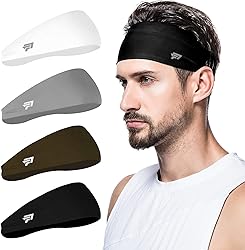
Headbands are functional first, stylish second. Players like Frances Tiafoe and Stefanos Tsitsipas have made them a fashion statement, but the real purpose is simple: keeping sweat out of your eyes. Trust me, there’s nothing worse than salty sweat dripping into your eyes mid-rally.
Playing outdoors for hours means battling heat, UV exposure, and energy depletion. These accessories keep you fueled, hydrated, and protected so you can maintain your level deep into a match.
Hat/Visor
A hat or visor keeps the sun out of your eyes and prevents your head from overheating on those scorching summer days. You might not think you need one when you leave the house, but two hours into a match under direct sun, you’ll wish you had packed it.
Even if you don’t wear sunglasses during play, keep a pair in your bag for when you’re watching matches or waiting between sessions. Extended sun exposure can cause real damage to your eyes over time. For players who do wear them on court, sport-specific frames with polarized or contrast-enhancing lenses make a big difference. Check out our full best sunglasses for tennis players guide.
Also worth considering: Tifosi Tyrant 2.0 as a great mid-range option, and Bolle Bolt for a budget sport frame.
Sunscreen
Sunscreen is non-negotiable for anyone playing outdoors. Tennis players spend hours under direct sun, and skin damage is cumulative. Apply a sport-specific, sweat-resistant formula before you step on court, and reapply during longer sessions.
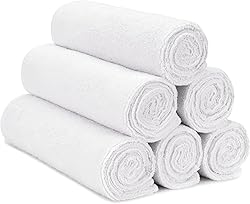
A good towel is more important than most players realize. You need it to dry your hands so your grip doesn’t slip, and to wipe your face before sweat drips into your eyes. Microfiber towels are soft, extremely absorbent, and compact enough to fit in any bag.
If you live in a sunny and hot climate like me, you no doubt have one or two stashed in your tennis bag. Cooling towels can help prevent heatstroke and other heat-related illnesses on the hottest summer days. Just soak, wring, and snap to activate an instant cooling effect that lasts up to two hours.
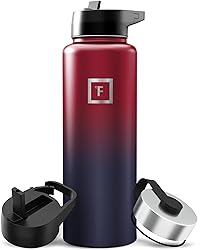
Bring plenty of water to the court. Even mild dehydration affects your focus, reaction time, and stamina. A good insulated bottle keeps your water cold for hours, which makes a real difference on hot days. The stainless steel options below are durable, leak-proof, and free of the plastic taste you get from cheaper bottles.
Watch Rafael Nadal or Novak Djokovic during changeovers and you’ll notice they always have two bottles: one with water, one with a brightly colored electrolyte drink. When you sweat, you lose sodium, potassium, and magnesium, and water alone doesn’t replace them. Carry packets or dissolvable tablets in your bag. They’re lightweight, and mixing one into your water bottle before a match can help you avoid cramps and maintain energy throughout the third set.
Also worth considering: Propel Powder for zero-calorie hydration, Nuun Sport for convenient effervescent tablets, and KeyNutrients for a zero-sugar option.
Protein Bars
Tennis sessions can last hours, and your body needs fuel to keep performing. Protein bars are a convenient way to get a quick energy boost between matches or after a tough practice without the heaviness of a full meal. Keep a few bars in your bag so you always have something to reach for when hunger hits.
Also worth considering: RXBAR for clean ingredients, ALOHA for plant-based protein, and GoMacro for organic options.
Energy Gels
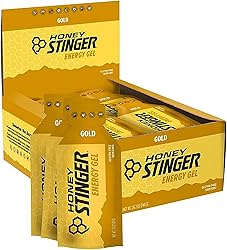
Energy gels deliver quick fuel without the heaviness of solid food. Eating too much during a match can cause stomach discomfort, which is why many athletes turn to gels instead. They’re portable, easy to consume during changeovers, and absorb fast.
Also worth considering: CLIF SHOT for its thin consistency, and GU Energy as the marathon runner’s favorite.
Recovery & Injury Prevention
Tennis is demanding on the body. Whether you’re warming up before a match, taping a blister mid-set, or icing a sore shoulder afterward, these accessories help you play longer and recover faster.
Warm-Up Equipment
A proper warm-up and cool-down routine reduces your risk of strains and helps your body recover faster. Items like jump ropes, resistance bands, stretching straps, and foam rollers are compact enough to fit in most tennis bags without taking up too much room. For a deeper look at warm-up tools and drills equipment, see our training equipment guide.
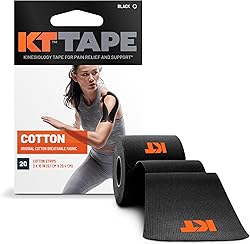
Athletic tape and KT tape can relieve pain, protect injury-prone areas, and prevent blisters on your fingers. If you’ve ever noticed Rafael Nadal’s taped fingers during a match, that’s exactly what the tape is for. It’s a simple, effective way to keep playing through minor discomfort.
A fitness tracker lets you monitor heart rate, calories burned, and activity levels during practice and matches. Over time, the data helps you spot patterns, track your fitness progress, and adjust your training intensity.
Also worth considering: Fitbit Versa 2 if you prefer a full smartwatch display.
Ice Packs
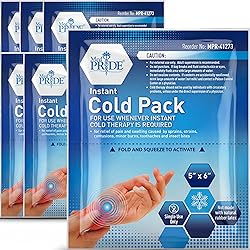
Instant ice packs are great for immediate relief from sprains, strains, bruises, and swollen tissue. You’ll be surprised at how much faster recovery is if you make it a habit to apply ice to minor injuries after playing. Keeping one in your bag makes it hassle-free.
Ankle braces reduce swelling, improve balance, safeguard the ankle from further damage, and provide joint support. They also help keep the ankle joint warm and reduce muscle stiffness during long sessions.
If you’ve ever sustained a knee injury, wearing a suitable brace while playing is worth considering. Knee braces offer stability, reduce inflammation, and promote blood flow to the joint, all of which help you move with more confidence on court.
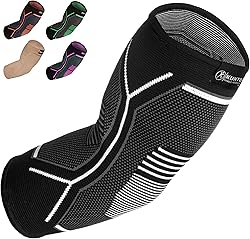
Elbow braces can be essential for playing tennis competitively. Without proper care, the cumulative pain from repetitive strain injuries only gets worse over time. If you’re dealing with ongoing forearm or elbow discomfort, investing in a quality brace is a smart move. For a deeper look, see our best tennis elbow braces guide.
If you have an ingrown toenail or sensitive toes, gel toe covers prevent the nail from catching on the inside of your shoe during play. They cushion impact and reduce friction, letting you move freely without wincing through every sprint to the net.
Small items that take up almost no space but can save your entire session. You won’t need them every time, but when you do, you’ll be glad they’re there.
Contact Lenses
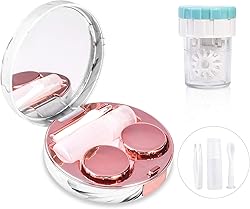
If you wear contact lenses, always carry a spare set in your bag. I’ve seen countless players forced to end their session early because a lens fell out or dried up, and they had no backup. A compact lens case with solution takes up almost no space and can save your entire practice day.
A first-aid kit should be in your tennis bag just as much as your tennis rackets, though we certainly hope you won’t need it. Keep items like athletic tape, bandages, antiseptic cream, and Tylenol in case you or a teammate (or even an opponent) needs help with a headache, cramps, or a minor injury.
A notebook serves two valuable purposes in your bag. First, it’s the best place to jot down coaching notes, technique reminders, and areas for improvement right after a lesson while they’re still fresh. Second, if you play league matches, keeping notes on opponents’ strengths and weaknesses gives you a real edge the next time you face them.
You don’t need every item on this list right away. Start with the essentials: extra grips, balls, water, and sunscreen. Then add recovery and comfort items as your playing schedule demands. Over time, a well-stocked bag becomes second nature, and you’ll wonder how you ever showed up without half of these things.
If you have questions about any of these accessories or want recommendations based on your playing style, feel free to reach out. We’re always happy to help fellow tennis players gear up for success on the court.
Frequently Asked Questions
What accessories should every tennis player have in their bag?
At minimum, carry a spare racket, extra strings, overgrips, tennis balls, a water bottle, sunscreen, a towel, and a first aid kit. Competitive players should also pack extra socks, a cooling towel, electrolytes, and athletic tape.
Are vibration dampeners necessary for tennis?
Vibration dampeners are not strictly necessary, but many players prefer them. They reduce the vibration and "ping" sound at contact, which can feel more comfortable on your arm. They do not prevent tennis elbow on their own, but they can make the hitting experience more pleasant.
How often should I replace my tennis overgrip?
Most players should replace their overgrip every 3 to 6 hours of play, or sooner in hot and humid conditions. If the grip feels slick or has lost its tack, it is time for a fresh one.
Do I need different tennis shoes for different court surfaces?
Yes. Hard court shoes have durable outsoles for abrasive surfaces, clay court shoes feature herringbone tread for grip and slide, and grass court shoes use nubbed soles for traction. Wearing the right shoe for the surface improves performance and prevents injury.